4 Principles for Raising a Child with ADHD
Do you face problems while handling children with ADHD? In this blog, I will give you 7 tips through which you can support your child with the problem of ADHD.
Taking care of children with ADHD is not easy. This task is quite challenging which can sometimes put you in trouble but there is no need to worry. In this blog, I will tell you 7 tips that will help you. Do you know that ADHD affects 5-10% of children around the world? Meaning, every other parent is dealing with it in some way or the other like you.
If your child has ADHD, you need to understand how you should behave with him, what approach you should take, and what kind of environment you should create for him where your child can grow freely and explore his unique strengths. In this article, we will tell you 7 powerful principles that will help you in your child’s development and manage his struggles. Let’s get started and explore a new perspective!
Understanding ADHD: The Basics
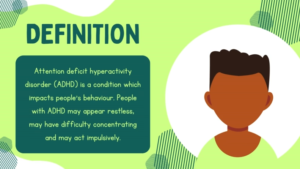
ADHD, or Attention Deficit Hyperactivity Disorder, is a neurological condition that affects children and can disappear by adulthood. Each child faces different problems and can have different levels of problems, but three core symptoms are always common: inattention, hyperactivity, and impulsivity.
What are the core symptoms of ADHD?
Inattention:
Children cannot concentrate on one task. They keep getting distracted. They easily transfer their attention to other things and leave their work incomplete. They face problems in following instructions.
Hyperactivity:
Children with hyperactivity always keep running here and there. They find it very difficult to stay in one place. They cannot sit in one place in the classroom or at home. They keep roaming here and there and keep doing unnecessary activities.
Impulsivity:
Children react without thinking or understanding anything due to which they do not know what is right and what is wrong. They get involved in any activity without thinking or they speak without permission.
Effect of ADHD on Daily Life and Relationships
Due to this ADHD problem, it becomes difficult for them to follow their normal life routine and it affects their social life and their professional life a lot due to which they have to face problems.
School Life: It becomes challenging for them to follow the instructions of the teachers, complete the assignments on time, and concentrate on the exams.
Relationships with friends and home: Due to impulsivity, children sometimes hurt their friends and family members. This can create misunderstandings and conflicts.
Build a Strong Parent-Child Connection
How do you build a strong relationship with children?
A strong parent-child connection is very important for children with ADHD. When a child feels trust and open communication with his parents, he is comfortable expressing his emotions and challenges. This connection can give you, not just them, a better parenting journey.
1. Importance of Trust and Communication
–Your child knows that his feelings and struggles are valid.
–When you listen to him without judging him, his self-confidence increases.
–Open communication motivates children to share their issues with you.
2. Techniques to Strengthen Emotional Bonds
–Dedicate Special Time: Spend a little time each day with children, doing activities they like.
–Use Non-Verbal Gestures: Hug, celebrate their achievements, and appreciate their efforts.
–Create a Routine: Establish rituals like consistent bedtime stories or meal-time conversations that make them feel secure.
3. How to do Active Listening and Validation?
–Pay full attention: When the child talks, look at them and ignore distractions (TV, phone).
–Repeat feelings: “I can understand you find this frustrating.” This makes them feel that you understand their emotions.
–Give judgment-free reactions: Don’t criticize or interrupt them when they’re talking. Try to understand their point first.
Establish Routines and Structure
1. Why are routines so important for ADHD children?
For children who have ADHD, setting a routine works like an anchor. Whenever their work is done on time, they get into the habit of following a routine which helps them maintain discipline. This reduces the “overload” of their brain and helps them focus. Having a structure makes children feel more secure and their anxiety also reduces.
2. How to make consistent schedules and visual aids?
-Make a daily schedule: From waking up in the morning to going to sleep at night, fix all the tasks at a particular time. Do all the tasks like going to school, playing, eating, etc. on time so that they develop discipline.
-Use visual aids: You can use colorful colors and pictures to make your child’s routine attractive. This will keep them engaged and interacting with them. Follow it for a long time. Example: A colorful chart that tells them to brush their teeth after breakfast.
-Set reminders: If your child forgets the schedule, use alarms or sticky notes to remind them.
-Practice and be patient: Kids take time to follow a routine, so you need to be consistent with it so that you get the good results you want from your kids.
3. How to prevent overstimulation of routines?
ADHD kids can sometimes feel overwhelmed by routines. In this case:
Learn to be flexible: Don’t make every routine strict. If they need a break, allow it.
Include quiet time: It’s important to give them some “me-time” or quiet time in between the days. During this time, they can do their favorite activity, like drawing or meditation.
Avoid unnecessary activities: If there are too many things in their routine, simplify it.
Take feedback: Ask the child how he or she likes the routine and what could be improved.
Use Positive Reinforcement
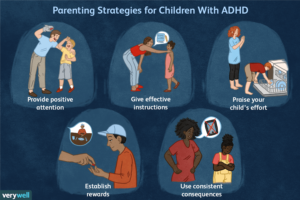
Positive reinforcement is a great way to encourage good behavior in your child. It is a very effective and positive strategy for encouraging behavior. This is especially important for children with ADHD because it motivates them and helps them build self-confidence. When you praise me even if they are good, they try to repeat the same behavior again and again.
Role of Praise and Reward
It is very important to appreciate and recognize children, especially children with ADHD who need special care. If you appreciate the small things of those children, give them rewards, and notice them, they will like it a lot and they will try to repeat the same act and behavior so that they get appreciation again. When a response such as “You completed your homework today without reminding me, I’m so proud of you!” makes them feel valued for their efforts. Rewards also come into play—these can be physical gifts like stickers or toys, or experiences like a special outing. The important thing is that the rewards are meaningful to them and appropriate for their age.
Effective Positive Reinforcement Techniques
It is important to follow a specific technique for positive reinforcement. Most importantly, you must clearly state the behavior you are appreciating. Let your child know why you are appreciating them so they know they did the right thing. For example, “I like it when you clean up your toys yourself.” This shows them that their behavior is being noticed.
It is very important to maintain consistency while rewarding children. If you appreciate them one day and don’t do so the next day, children will get confused. Chart systems like star charts or token systems are also quite effective. When a certain number of stars are collected, they get their desired reward, like watching a favorite movie.
Focus on progress, not perfection.
Perfection and keeping some expectations from children with ADHD can be a realistic goal setting, so you should focus on their progress and not on their perfection. If your child could previously concentrate for 5 minutes and now can do it for 15 minutes, that is a huge achievement. You should focus on such an achievement, focus on your progress. Celebrate this progress and encourage them to improve at their own pace. Use phrases like, “You are getting better day by day!” This motivates them and makes them feel that they can achieve something with their efforts.
Encourage Healthy Habits: Essential Lifestyle Tips for ADHD
Children with ADHD need to follow a proper healthy habits routine. This is not only important for managing their symptoms but also for their healthy lifestyle. If they eat healthy food follow a diet, and manage their exercise and screen time, their energy level and focus will be maintained.
Effect of Diet on ADHD
The food we eat has a direct impact on our minds and behavior. This is even more important for children with ADHD.
-Balanced Diet: A mix of fruits, vegetables, whole grains, and proteins helps in sustaining their energy.
-Avoid Processed Foods: Junk food, sugary snacks, and fizzy drinks can worsen hyperactivity, so limit them.
Improve Focus with Exercise
Physical activity is a natural therapy for children with ADHD.
-Daily Movement: Some physical activity every day is important, such as cycling, running, or dancing.
-Team Sports: Sports such as football or basketball improve their social skills and concentration.
-Calming Exercises: Yoga and meditation help with focus and relaxation.
Importance of Sleep Routines
Getting proper sleep is a strong factor in controlling ADHD symptoms.
-Consistent Bedtime: Create a fixed bedtime routine and follow it.
-Avoid Gadgets Before Bed: It is important to stop using screens one hour before sleeping
Conclusion:
Parenting a child with ADHD is a journey filled with challenges, growth, and triumphs. By applying these principles, you can create a supportive environment where your child not only manages their symptoms but also thrives in their own unique way. Remember, every small step counts! If you found these tips helpful, share them with other parents or leave a comment to share your experience. Together, we can build a community of support and understanding.