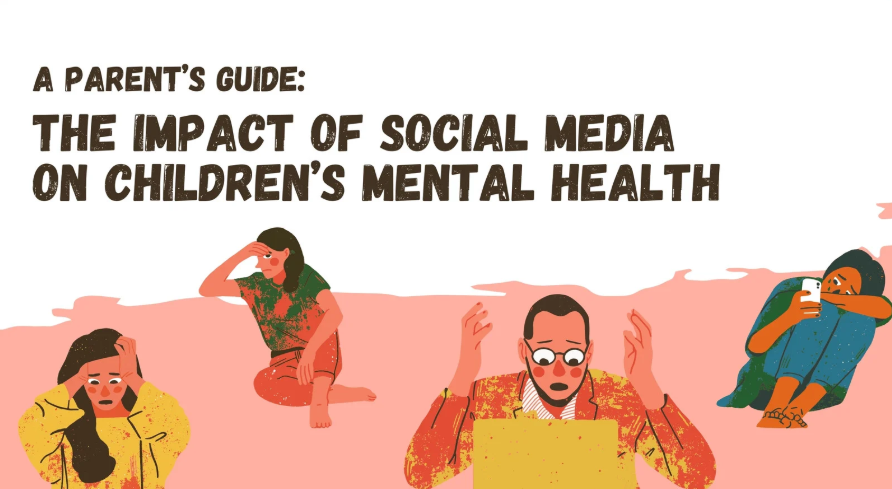
Impact of Screen Time on Toddlers
In this blog you will be explained both its pros and cons and you will get tips to manage it effectively.
Nowadays screens are everywhere for children, for us too there is screen on TV and phone and it is difficult to keep children away from them and what effect does screen time have on children? Studies have shown that screen has a lot of effect on children, there is a difference in their social interaction, their sleep schedule and their attention span. But some digital content can also be educational if used correctly. Let’s understand the effects of screen time on toddlers and explore some practical tips to create a balance!
Understanding Screen Time for Toddlers
–Screen Time Ka Matlab Aur Its Importance In Modern Parenting
–Screen time means that children spend time in front of screens like phones, TVs, etc. Now screen exposure has become a normal thing but it affects toddlers in different ways but in today’s era, if seen from a parenting perspective, then it is important to use screens in the right way for their development.
Types of Screen Exposure: Educational vs. Entertainment
-Educational Content: These are all the apps and programs that parents use to improve their children’s development and learning skills, such as alphabets, shapes, colors, and basic language skills.
-Entertainment Content: This includes all the things that are used only for entertainment, such as cartoon games. If the entertainment is used in a proper manner and not used excessively, then it is a very good way to relax children, but excessive exposure can be harmful.
Screen Time Guidelines by Pediatric Experts
Pediatric experts such as the American Academy of Pediatrics (AAP) have set some screen time limitations for toddlers that children should follow for their overall development and these things are important:
Children younger than 18 months: Screen time should not be shown at all, but family video calls can be done so that their family interaction is maintained.
Children aged 18-24 months: In this, children can only watch quality content and screen time is not allowed except under parental supervision.
Children aged 2-5 years: Limit screen time to just one hour per day for children, which should be for educational purposes only, so much time is not recommended for entertainment purposes
The challenge for parents is to find a balance between technology and the real world for their children. Start introducing habits like screen-free zones like dining table or bedroom so that toddlers can develop a healthy routine.
Positive Effects of Limited Screen Time
1. Educational Benefits of High-Quality, Age-Appropriate Content:
In today’s era, if you make your children watch age-appropriate and educational content on the screen, it is very beneficial for their development. Educational content plays a very big role in shaping children. For example, counting games and phonics-based apps improve their learning and memory. By creating the right balance between screen time and child development, you can support your child’s growth.
2. Support for Learning Skills Like Shapes, Colors, and Language
If children spend screen time together, it helps in building the basics of children. There is a lot of educational content online that children can watch and learn shapes, colours, numbers. Similarly, there are many language learning apps online through which children can develop and boost their language. Visuals and sounds are combined on the screen, which are effective for their brain development and learning process.

3. Opportunities for Supervised Bonding Through Co-Viewing
If you and your child spend screen time together, it creates a bonding between you and your child, which is very important. When you sit with them, you can also tell them or explain what they are looking at and you can also answer their questions so that they will understand better. This practice will not only enhance their social skills and communication skills, but will also strengthen the emotional bond between you and them.
Negative Effects of Excessive Screen Time
1. Effect on Brain Development and Attention Span
Today, children spend a lot of time in front of screens and according to studies, too much screen time of toddlers can be harmful for their development. Studies say that excessive exposure to screen can shorten the attention span of toddlers. When children watch cartoons and fast paced videos, their brain adapts to rapid visual changes which creates real life situations or problems for children and prevents them from focusing on any particular thing. Therefore, it is very important to follow the screen time guidelines for toddlers, so that their brain development remains healthy.
2. Effect on Social Interactions and Communication Skills
If children spend more time in front of their screens, they will interact less with people due to which children’s communication skills are getting weak. When children spend most of their time in front of screens, their emotional development and language development will not develop. This is a negative impact of sitting in front of the screen. It is important to maintain a balance between child social skills and screens so that children can understand their surroundings better and learn to express their emotions.
3. Physical Health Concerns: Eye Strain and Sedentary Lifestyle
Sitting in front of a screen for too long has a big effect on their physical health. Sitting in front of a screen for too long affects their eyes which is harmful for their eye health. Hence, engaging them in screen-free activities for toddlers and active play is a better option.
The Connection Between Screen Time and Sleep Issues
How Screen Exposure Before Bedtime Disrupts Sleep Cycles
Today, screen exposure has become a common problem for everyone before sleep time, especially for toddlers. When small children play games or watch cartoons, their brain becomes overactive, which affects their sleep cycle. Studies show that spending too much time in front of the screen reduces the melatonin production (which is a sleep hormone) of toddlers, due to which they have trouble sleeping. Due to excessive screen time, their sleep time is getting delayed, which is a problem.
Research-Backed Evidence on Blue Light and Melatonin Suppression
–The blue light emitted from the screen directly affects the eyes of children which disturbs their sleep cycle. Due to blue light, their brain feels that it is still day, and due to this, there is a delay in the release of melatonin.
–According to research, if toddlers watch the screen one hour before bedtime, then their REM sleep (which is the phase of deep sleep) can be reduced.
–Blue light has other impacts as well, such as it not only overstimulates their brain but also makes their brain feel restless which is not good for them.
Tips to Create a Screen-Free Bedtime Routine
It is very important for children to have a healthy screen-free bedtime because sleep is very important for a good healthy lifestyle and a proper screen-free bedtime can improve their sleep cycle. Here are some practical tips:
-Create screen-free zones: Avoid mobile phones and TV in children’s rooms and keep the place where children sleep distraction-free.
-Use books and storytelling: Make them listen to lullabies or read picture books at bedtime. This will relax their mind and they will fall asleep quickly.
-Early dinner and limit screen time: Feed dinner to children 2 hours before they go to sleep and end their screen time at least 1 hour before bedtime
-Use dim lights: Use warm light or night lamp in the toddler’s room, which enhances melatonin production.
Tips for Managing Screen Time Effectively
1. Set Screen Time Limits According to Children’s Age
It is important to limit screen time for toddlers according to their age. According to the American Academy of Pediatrics guidelines, children under 2 years of age should avoid screens, and children aged 2-5 years should only be allowed 1 hour of high-quality content per day.
–This improves brain development and also has a good effect on attention span.
–Make specific rules for children, such as strictly keeping screens off during meals and bedtime.
2. Encourage Active Play and Offline Activities
Children are more likely to benefit from spending more time in real-world activities.
–Outdoor games, sensory play, and art activities are important for toddlers’ physical and emotional development.
–Offline learning tools like books, puzzles, and blocks can help keep children’s interest engaged even without a screen.
–Active play not only improves their health, but also prevents screen addiction.
3. Choose Educational Apps and Programs with Parental Controls
If your child is using a screen, ensure that they consume age-appropriate and educational content.
–Educational apps help toddlers develop language and problem-solving skills.
–Always use parental controls so you can monitor and limit their screen content.
–Co-viewing, i.e. watching screens with parents, enhances their learning experience and gives you a chance to evaluate the content.
4. Model Healthy Screen Habits Yourself
Parents’ behavior is an example for toddlers. If you control your screen habits, children will follow.
–Avoid screens while spending quality time with family.
–Don’t overuse your phone in front of kids so they can prioritize and understand that real-world interaction is more important.
–Set up family screen-free zones, like dining areas or bedrooms, which will improve both their routine and behavior.
Conclusion:
Screen time isn’t inherently bad—it’s all about balance and intentional use. While excessive exposure can have drawbacks, incorporating high-quality, age-appropriate content in moderation can support learning and development. As parents, it’s crucial to set boundaries, create screen-free zones, and model positive behaviors. By making informed choices, you can ensure that your toddler gets the best of both worlds: the benefits of technology and the joys of real-world experiences.