
Winter Routine for Your Baby’s Delicate Skin
Protect your baby’s delicate skin this winter with expert tips for a gentle and effective routine. Learn about moisturizing, bathing, and skin-friendly products for ultimate care.
Winter is here, and while we cozy up in warm blankets, our baby’s delicate skin might face the brunt of the chilly winds and dry air. Did you know that baby skin is 30% thinner than adult skin, making it more prone to dryness and irritation? That’s why a tailored winter skincare routine is essential to keep your little one’s skin soft, hydrated, and rash-free! In this guide, I’ll share expert-approved tips to help you protect and pamper your baby’s skin all season long.
Why Is Winter Skincare Important for Babies?
Baby’s skin is extremely delicate and needs extra care and taking care of it can be quite challenging due to the cold air during winters. It is important for the baby to keep hydrated and clean during the day and it helps the baby to stay comfortable. In this section, we will understand what effect winter has on the baby’s skin and why it is important to take special care of it.
1. Effect of Winter Weather on Baby’s Skin
Cold air and low humidity can make the baby’s skin dry and irritated. These are some common problems that occur in winter:
-Dryness: Winter air is very dry which takes away moisture from the naturally hydrated and moist skin of children. This can cause their skin to become rough and flaky.
-Rashes: It is normal for children to have rash problems due to too many layers of clothes and dry air.
-Irritation: Excessive use of cold weather and hot water can weaken the baby’s skin barrier, making them more sensitive.
2. Unique Qualities of Baby’s Skin
Baby’s skin is quite different from the skin of adults, making them even more vulnerable to the harsh conditions of winter.
-Thinness: Baby skin is 30% thinner than adults, so little ones should be given extra care because their skin dries and gets damaged quickly.
–Sensitivity: The natural protective barrier inside baby skin is not fully developed yet, which makes them more sensitive to irritation and cold and hot weather.
-Moisture Retention: Baby’s skin does not take much time to retain moisture, which can be the reason for excessive dryness in winter.
3. Risks of not doing proper skincare
If proper care of the baby’s skin is not taken in winter, then these problems can occur:
-Severe Dryness: In serious cases of dryness, the baby becomes very uncomfortable and gets itching and irritation due to which he gets worried.
–Skin Conditions: Due to lack of long-term care, issues like eczema or atopic dermatitis can increase.
-Cold Weather Damage: In extreme conditions, the chances of chapped lips, cracked cheeks, and frostbite increase.
Essential Winter Skincare Products for Babies
Children need special skin care during winter as the air is very dry at this time, which can damage the baby’s skin, and it is very important to choose the right skincare products. Here we will talk about some must-have products that will keep your baby’s delicate skin safe and healthy.
1. Natural and Hypoallergenic Moisturizers
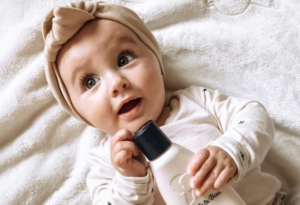
Natural and hypoallergenic moisturizers are good for baby’s skin as they are free from harsh chemicals and do not contain any chemicals that can have a bad effect on the skin of children. You can try shea butter, cocoa butter, or coconut oil-based moisturizers. These products deeply nourish your baby and protect his skin from dryness.
2. Gentle Cleansers and Body Washes
During winter, you can keep your children away from the shop. These will further dry your child’s skin. You can use some gentle washes that are sulfate-free and pH-balanced. They keep your baby’s skin clean without stripping out natural oils. Make sure the product is “dermatologically tested” and “paraben-free“.
3. Protective Winter Creams and Oils
Winter creams and oils can provide a protective layer to your child’s skin that will protect them from cold air. You can use mustard oil, almond oil, or olive oil for massage. This massage not only nourishes the baby’s skin but is also very good for blood circulation. Massaging children in winter improves their blood circulation.
4. Sunscreens for Outdoor Wintertime
Winter does not mean that sun exposure is safe. If your baby is going outside, do not forget to apply a baby-friendly sunscreen. A broad-spectrum sunscreen with SPF 30 or higher protects a baby’s skin from UV rays. This is especially important if you are in a hilly area where the sun’s rays are more harsh.
Daily Winter Skincare Routine for Babies
1. Step-by-step routine: Cleansing, Moisturizing, and Layering
Cleansing:
In winter, normal soap and body wash can be quite harsh on the baby’s skin, so it is better to avoid them. Choose a mild and fragrance-free cleanser for the baby. Clean him gently just once a day, the best would be at night before sleeping, so his body will remain clean and healthy without stripping any natural oil.
Moisturizing:
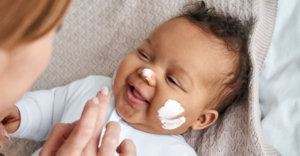
It is important to apply moisturizer on the baby’s skin immediately after bathing. This is the best time to lock the moisture inside the skin. Use thick, hypoallergenic cream or lot
ion that is specifically for babies.
Layering:
After applying moisturizer, dress your baby in soft cotton clothes which will make him feel comfortable and if you are taking him out, then apply an extra layer so that his skin remains protected. But be careful not to over-layer as it can cause sweating which can trigger skin rashes.
2. Importance of Using Lukewarm Water for Baths
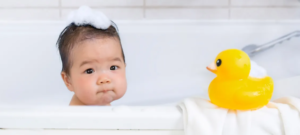
Cold weather may make children feel very tempted by warm water but it is also harmful for children as warm water will strip out the natural oil from their body which increases dryness and irritation of children.
You have to use lukewarm water for babies whose temperature you can check with the help of your wrist. If the heat is up to a lukewarm level, then it is perfect for your child to take a bath. Keep the bath time short, just 5-7 minutes, so that the baby’s skin does not become too dry.
Tips to Prevent Dryness and Irritation
Here’s how you can keep your baby’s skin soft and irritation-free during winter:
1. Keep Indoor Humidity Balanced
-Indoor heating in winter makes the air dry, which can dry out a baby’s skin even more.
-Use a humidifier, which adds moisture to the air and keeps the baby’s skin hydrated.
-Keep the room temperature comfortable—not too cold, not too hot.
2. Choose Winter Fabrics Carefully
-Choose cotton and soft woolen clothes that are baby’s skin-friendly.
-Avoid synthetic and rough fabrics, as these can cause rashes and irritation.
-Layer clothes to keep the baby warm without irritating the skin.
3. Pay attention to the baby’s hydration
-If your baby is breastfed or formula-fed, follow their usual feeding routine to keep the body hydrated.
-For babies over 6 months, a little water or warm soups can be given (with doctor’s advice).
-Hydration is more important in dry weather, which maintains moisture inside the skin.
4. Avoid over-bathing and harsh soaps
-Daily bathing is not necessary—2-3 times a week in lukewarm water is enough.
–Don’t use harsh soaps and shampoos; prefer mild, fragrance-free baby cleansers.
-Apply a gentle moisturizer immediately after bathing so that the moisture of the skin gets locked in.

Common Winter Skin Issues in Babies and How to Manage Them
1. Cradle Cap
What is it?
Cradle cap is a common skin condition in which a yellow or white patch forms on the baby’s scalp. It is mostly harmless.
How to manage it?
-Gently massage the baby’s scalp with oil (coconut or olive oil).
-Gently remove the patch with a soft-bristled brush.
-Wash the scalp using mild baby shampoo.
-If it is very severe, consult a doctor.
2. Chapped Cheeks
What is it?
Winter winds and dry air can cause the baby’s cheeks to become dry and red.
How to manage it?
-Apply a thick moisturizer on the baby’s cheeks, such as shea butter or petroleum jelly.
-Before going outside, cover the baby’s face with a wind-protective cream.
-Use a humidifier at home to keep the air moisturized.
-Applying breast milk sometimes is also beneficial for soothing.
3. Eczema
What is it?
Eczema is a chronic skin condition in which a baby’s skin becomes red, itchy, and inflamed. It is more triggered in winter.
How to manage it?
-Use fragrance-free and hypoallergenic products.
-Moisturize daily, especially after bathing.
-Wear loose cotton clothes that do not irritate the skin.
-If the rash is severe or the baby feels very uncomfortable, consult a pediatrician.
4. Recognizing Signs of Severe Dryness or Allergies (Severe dryness and allergy symptoms)
-Skin may show white patches, flakiness, or cracks.
-Baby is irritated or crying excessively due to itching.
-Red spots or swelling, especially in the areas of diaper and folds.
-If there is skin bleeding or signs of infection, contact the doctor immediately.
5. Safe Home Remedies and When to Consult a Pediatrician
Safe Home Remedies:
-Use coconut oil or ghee for hydration.
-Take an oatmeal bath to calm the baby’s irritated skin.
-Apply Aloe vera gel (fresh and natural) for soothing.
When to consult a doctor?
-If the rash or dryness does not get better in 1-2 days.
-The baby’s skin appears infected or there are signs of fever.
-Eczema or allergy appears severe.
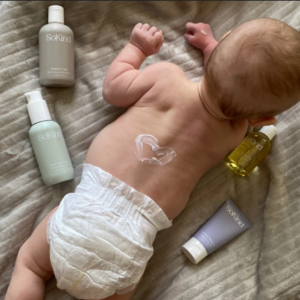
Do’s and Don’ts for Baby Winter Skincare
1. Key habits to maintain healthy skin during winters
Moisturize regularly: Moisturize newborn baby skin at least two times, especially after bathing, you must do this so that the baby’s skin does not become dry.
Keep the room temperature balanced: Using too much heater in the room can also be the reason for dry skin for children, so try to balance the room temperature at a moisture level.
Use lukewarm water: Hot water seems quite tempting for children to become healthy, but it can dry out the skin of children, so warm the water to a balanced level during the bathing of children Just like you can say lukewarm water also.
2. Mistakes to avoid (over-layering, harsh products)
Over-layering clothes for children: Wearing too many layers of clothes in winter can also be harmful to the baby’s skin. Excessive layers can cause sweating and irritation which can become the reason for rash.
Avoid fragranced or harsh products: You should use chemical-free products for the skin care of children in winter. Artificial fragrances can irritate the body or skin of children, so stay away from them.
Avoid frequent baths: It is not necessary for children to bathe daily in winter, due to which their skin can also get damaged. The natural barriers on their skin will become weak, so you can make children bathe with normal water after a gap of one or two days.
Conclusion:
Caring for your baby’s skin in winter doesn’t have to be complicated. With the right products, gentle care, and a consistent routine, you can ensure your little one’s skin stays soft, healthy, and happy all season long. So, gear up and start your winter skincare journey today—it’s the best gift you can give your baby this winter! Have more questions? Feel free to reach out or share your favorite winter baby skincare tips below.