Can Bad Parenting Cause PTSD?
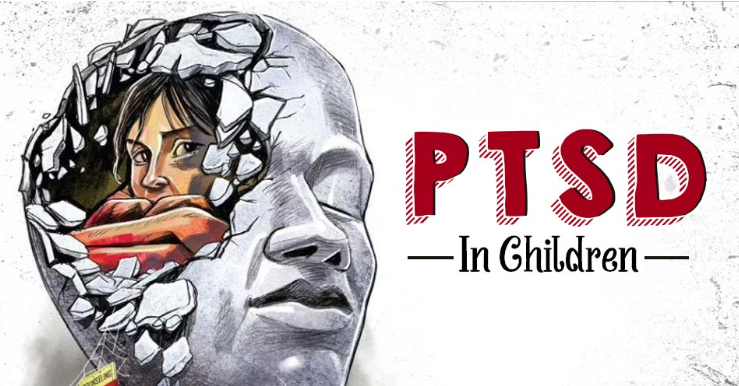
Can bad parenting cause PTSD? This is a very important topic to be studied the impact of negative parenting on the health of children it can effect the mental health of the child
Do you know that those children who are exposed to negative and harmful parenting are more prone of developing PTSD (Post-Traumatic Stress Disorder)? Yes, bad parenting behaviors—such as neglect, abuse, or harsh criticism—This can leave a long lasting effect on child’s mental health in this article we will explore connection between styles of parenting that are not good and affecting children’s mental health and the reason. behind it. What signs to look out for, and how to break the cycle of trauma. Whether you’re a parent, teacher, or caregiver, understanding this link is crucial for creating a healthier environment for children.
 What Is PTSD?
The full form of PTSD is Post-Traumatic Stress Disorder. It is a mental health condition in people that can develop after any traumatic event. Traumatic event means any bad event such as accident, violence, abuse, natural disaster. All these things can have a very bad effect on the mind of any person. If this impact remains long-term and the person has problems in living a normal life, then it is called PTSD.
Childhood bad experiences and traumatic events can also cause PTSD in children, especially if the behavior of the parents is abusive or neglectful. It affects not only adults but also children.
Definition of PTSD (Post-Traumatic Stress Disorder)
PTSD is a condition in which people repeatedly experience traumatic events in their minds. They experience this through flashbacks, nightmares, anxiety and emotional numbness. These traumatic events happen to people when something bad happens to them and if the person is not able to remove this trauma from his mind, he may have to face PTSD and its effect falls on his daily life and relationships.
For example:
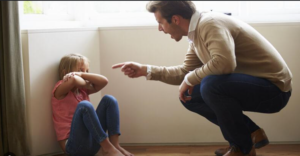
If a child has seen physical abuse or emotional neglect from his parents, he may feel unsafe all the time.
This trauma can have a negative impact on their emotional growth and increases their risk of developing PTSD.
How PTSD Manifests in Children Versus Adults
PTSD symptoms are different in children and adults. Let’s understand this in detail:
PTSD in Children:
-Nightmares: Traumatic experiences of childhood take the form of nightmares that trouble children
-Fearful Behavior: This keeps children in a constant fear. In this, children prefer to stay away from their parents or caregivers if they have received trauma from them.
-Developmental Delays: Childhood trauma impacts their emotional and social development, which can cause them to lag behind their peers.
PTSD in Adults:
Flashbacks: Adults keep having flashbacks of traumatic events, due to which they feel that the same events will repeat with them again, so they remain under stress.
Emotional Numbness: Due to these traumatic events, many people become numb, due to which they do not feel anything, they are neither happy nor sad.
Hypervigilance: Adults with PTSD are hyper-alert all the time, as they feel that something is going to go wrong.
Key Triggers That Lead to PTSD
There are some traumatic events that increase the risk of PTSD a little more. Let’s talk about them.
⚠️ Childhood Abuse and Neglect:
If a child has experienced emotional neglect, physical abuse, or verbal abuse in childhood, then his risk of developing PTSD is very high.
⚠️ Domestic Violence:
If a child sees domestic violence between his parents, then he stores that traumatic experience deeply in his mind. This directly impacts his mental health.
⚠️ Sudden Loss or Separation:
The sudden death of a loved one, parental divorce, or separation anxiety in childhood can also trigger PTSD.
⚠️ Bullying or Peer Abuse:
If a child experiences bullying or peer abuse in school or social settings, it can also be a traumatic experience that can have a negative impact on their brain.
What Is Bad Parenting? (And How It Affects Children)
Bad parenting refers to parenting behaviors that negatively impact children’s emotional, mental, and physical health. This parenting style is not limited to discipline or strictness, but can also involve neglect, harsh criticism, or emotional abuse of children. Let’s look at some examples and understand how it impacts children’s development.
Neglect
Neglect is when parents do not meet their children’s basic needs—such as love, attention, and emotional support. This neglect can be physical (such as no
t paying attention to the child’s health, food, or clothing) or emotional (such as ignoring their feelings).
Impact on Children:
-Children feel that they are not important.
-Their self-esteem becomes low.
-They become emotionally disconnected, and -trust issues develop in future relationships.
Verbal Abuse

Verbal abuse is when parents use harsh language, insults, or constant criticism. Such as “You can’t do anything,” “You’re stupid,” or “You’re a burden to me.” These words leave a deep impact in childhood.
Impact on Children:
-Children’s self-confidence is lost.
-Risk of anxiety and depression increases.
-Children feel that they have no value.
Controlling Behavior
Controlling parents try to control their children’s personal choices—such as their hobbies, choice of friends, or career decisions. This controlling behavior prevents children from becoming independent.
Impact on Children:
-Children do not have the courage to take their own decisions.
-Decision-making skills become weak.
-Risk of anxiety and rebellion increases.
-Differences Between Strict Parenting and Harmful Parenting
Strict Parenting:
In strict parenting, parents maintain discipline, set rules, and teach children responsibilities. But these rules are logical and fair, in whic
h children’s emotions are taken into consideration.
Harmful Parenting:
In harmful parenting, parents harm children emotionally or physically in the name of discipline. This behavior is disrespectful and controlling, in which children’s individuality is not respected.
Psychological Impact of Toxic Parenting on Children
What is the psychological impact of toxic parenting?
The effect of toxic presenting is very much on the minds of children and their emotions. If parents are repeatedly neglecting their emotions and criticizing them, then it has a very bad effect on the mental health of children. These children start feeling “not good enough” or “worthless”. Due to being neglected their emotions, their self-esteem is very low and their anxiety also increases due to which they face a lot of difficulties. It becomes difficult for them to trust people.
Such children are not able to process their emotions properly and fear, insecurity, and guilt start dominating them.
How Chronic Emotional Stress Leads to Trauma
How does chronic emotional stress become trauma?
When a child continuously experiences negative experiences such as being scolded repeatedly, being denied everything, and receiving harsh punishment, the child goes into emotional stress which is very bad for him and this stress is not short term but turns into long term trauma.
Chronic stress also affects children’s brain development:
-Their fight-or-flight response becomes overactive, in which every situation feels dangerous.
-Children may become emotionally numb or find it difficult to feel normal emotions.
-This stress also impacts their memory, focus, and learning abilities.
-If chronic stress is not addressed in time, it starts showing in the child’s behavior.
Anxiety or panic attacks
-Real-Life Case Studies Showing the Connection Between Parenting and PTSD
-Real-life examples that show how bad parenting can lead to PTSD
-Research and real-life case studies have proven that there is a direct link between toxic parenting and PTSD.
For example:
A child who was a victim of verbal abuse—he faced severe anxiety and panic attacks in his adult life. His self-worth became so low that he could not form healthy relationships.
In another case, a child who faced emotional neglect learned to suppress his feelings. Later on, he faced emotional breakdowns and was diagnosed with PTSD.
These case studies show that if parents are harsh, abusive, or emotionally unavailable, childhood experiences affect their long-term mental health.
Signs of PTSD in Children Caused by Bad Parenting
Bad parenting increases the chances of PTSD developing in children. This trauma can deeply impact their personality, emotions and thoughts. Let us understand behavioral, emotional and cognitive signs in detail.
1. Behavioral Signs:
Some clear signs of PTSD can be seen in the behavior of children. These signs affect their daily activities, relationships, and reactions.
Anxiety:
If the child panics over every small thing or is constantly nervous, then it can be a sign of PTSD. It creates insecurity and trust issues in them.
Fear of Authority Figures:
Children are afraid to talk to teachers, parents or any authority figure. This fear may be linked to their past experiences where they have been punished or criticised.
Aggression:
Sometimes children display their frustration in the form of aggression. This aggressive behaviour may be a result of their internal emotional pain, which they express verbally or physically.
2. Emotional Signs
PTSD also deeply affects children’s emotions, due to which their emotional stability gets disturbed.
Nightmares:
If a child wakes up at night with bad dreams or regularly experiences nightmares, this could be a result of their traumatic experiences. These nightmares are a stress response of their subconscious mind.
Emotional Numbness:
Sometimes children with PTSD suppress their emotions. They find it difficult to experience emotions such as happiness, sadness or love. This is a form of self-protection, through which they protect themselves from getting hurt further.
Flashbacks:
Children with PTSD have flashbacks of past traumatic events. These flashbacks can make them feel the same pain and fear as they did during the trauma.
3. Cognitive Signs
Children’s thinking capacity and self-image are also directly impacted by PTSD.
Negative Self-Image:
Children suffering from PTSD develop a negative self-image. They feel that they are worthless or that they have no value. This self-doubt damages their confidence and self-esteem.
Difficulty Trusting Others:
After traumatic parenting experiences, children have difficulty trusting other people. They feel that people will hurt them too, due to which they become emotionally distant.
How Does Bad Parenting Create Trauma?
The effect of bad parenting is very deep on the mental health of children due to which they face a lot of problems. When a child is continuously emotionally neglected or abused, this experience has a long impact on his emotional mental health. Let us consider every point of this. Let us understand in detail:
1. The Role of Emotional Neglect and Abuse in Developing Trauma
Emotional neglect means that when parents do not understand the emotions of their children and ignore them, even if they say something, this neglect sometimes becomes their personal problem. It can happen due to some reasons or it can happen intentionally as well. Abuse means when parents hurt a child emotionally with their words or actions. They hurt.
How does trauma occur?
-When a child feels that his feelings are not important, his self-worth starts to diminish.
-Verbal abuse such as “you can never do anything” or “you are useless” Such comments are deeply embedded in the mind of a child.
-All these things start in childhood, but their impact remains even after growing up.
2. Impact of Inconsistent Parenting
Inconsistent parenting means when parents never talk to their children Sometimes we show love to someone and sometimes we reject it.
How does this affect the child?
Confusion and insecurity: When parents’ behaviour is unpredictable, they get confused about when they will get love and when they will get teeth. This can also cause problems in their future relationships.
Emotional instability: The child becomes emotionally unstable . He does not understand when which emotion should be shown.
Trust issues: Inconsistent parenting also develops trust issues in children which prevents them from trusting anyone. They feel that no one in the world is trustworthy.
3. Long-Term Effects of Childhood Trauma on Adult Relationships
If a child faces emotional trauma in childhood, it also affects his future relationships.
How are these effects visible?
Attachment issues: People who face neglect in childhood are either overly clingy to their partners or else become emotionally distant.
Trust issues: Childhood trauma makes it difficult to trust. They feel that people will always hurt them.
Fear of abandonment: If a child faces emotional rejection from his parents, he always fears that any close relationship will not last long-term.
Breaking the Cycle: How to Heal from Bad Parenting Trauma
It is difficult to ignore the trauma children experience during childhood, but it is very important for us to acknowledge them. If a person has emotional or mental trauma due to bad parenting in childhood, it is possible to break the cycle.
This section will tell us how it can be recovered through therapy parenting strategies.
1. Therapy Options for Children and Adults with PTSD
This therapy is a powerful tool that helps process traumatic childhood experiences. It can be helpful for both children and adults.
Child Therapy: Play therapy or cognitive behavioral therapy (CBT) is used for children, in which they can express their emotions better.
Adult Therapy: Trauma-focused therapy like EMDR (Eye Movement Desensitization and Reprocessing) is very effective for older people. This reduces the impact of our past memories.
Family Therapy: If the problem is related to family dynamics, then counseling can help the family, in which everyone together discusses and resolves their issues.
Support Groups: Joining a support group can be very helpful for PTSD survivors as they realize that they are not alone and there are many other people like them.
2. The Importance of a Stable Support System
It is very important for people to have a strong support system to overcome trauma. When a person has close friends and family members, they can recover from trauma quickly with their emotional support.
Trusted Family Members: If there are people in the family who are trustworthy, then you should share your story with them. Emotional venting is very important.
Friends and Mentors: Close friends or mentors who don’t judge and are willing to listen can be part of a healing support system.
Professional Help: Sometimes the support of friends and family is not enough, so talking to mental health professionals is important.
3. Strategies for Parents to Avoid Repeating Harmful Behaviors
If someone is experiencing parenting problems themselves, they fear making the same mistakes with their children. But this cycle can be broken by adopting some effective parenting strategies.
Practice Positive Parenting: Use gentle parenting or positive discipline techniques with children. Instead of getting angry at every mistake, learn to explain it calmly.
Self-Awareness: Monitor your behavior. If you feel your reaction is being harsh at times, pause and control your emotions.
Seek Help When Needed: If you feel you are struggling with parenting because of your past trauma, seek help from parenting classes or a therapist.
Break the Cycle of Abuse: Every parent should consciously think about how their actions are impacting their children. Try to avoid harsh words and emotional neglect.