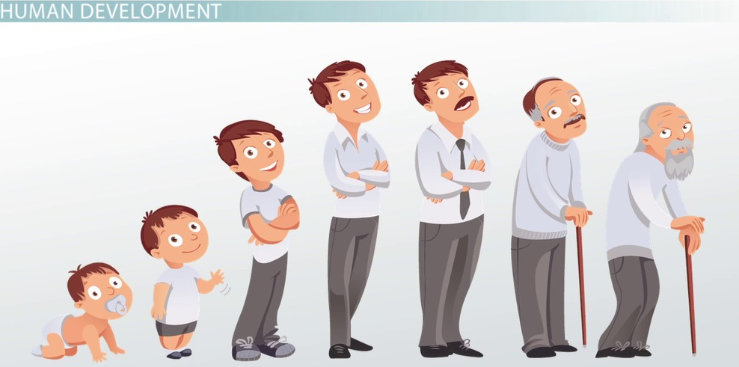
7 stages of child development psychology
Discover the 7 stages of child development psychology and learn how each stage shapes a child’s emotional, cognitive, and social growth. A must-read guide for parents, educators, and caregivers in 2025
Child development is a fascinating journey! Understanding the 7 stages of child development psychology helps parents, teachers, and caregivers nurture children’s emotional, social, and intellectual growth. Did you know a child’s brain forms more than 1 million new neural connections every second during the early years? These stages, rooted in developmental psychology, reveal how kids evolve from infants to well-rounded adults. Let’s explore these stages and learn how to support children at each step.
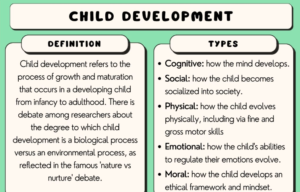
What Are the 7 Stages of Child Development?
From childhood to adulthood, children go through different stages in which their cognitive, emotional, and social skill development takes place. Parents and teachers need to understand these stages so that they can better guide the growth of their children. Come on, now we will see what these 7 stages are and what is their importance!

Brief Overview of the Stages Based on Psychology Theories Like Piaget and Erikson
The 7 stages of child development psychology are based on two popular theories:
-Jean Piaget’s Cognitive Development Theory
-Erik Erikson’s Psychosocial Development Theory
According to Piaget, children develop their cognitive thinking ability at different stages. These stages reveal how children understand new concepts at what age and how they develop their abilities such as language development, problem-solving, and abstract thinking.
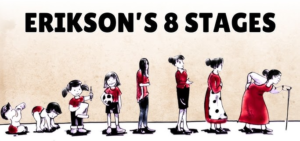
Erikson’s theory focuses on social and emotional growth. At each stage, children face a unique challenge that helps shape their personality. For example, the concept of trust versus mistrust emerges during the infancy stage, where a child learns to trust their caregivers.
Why Understanding These Stages Is Crucial for Parenting and Teaching
One benefit of understanding these stages is that you can provide support to your children according to their needs, which will help them grow. The needs and behavior of children are different at every stage. If you know in advance how they will behave at a particular stage, you can avoid unnecessary stress.
Example:
If a child is throwing a tantrum, it does not mean that he is showing bad behavior. This is his early childhood stage in which this behavior is normal. He is learning to express his emotions at that age.
Similarly, In this adolescence age, if children show anger issues and such problems, then there is no problem with this. Parents should be patient because this is the time of identity formation.
How These Stages Impact Lifelong Learning and Behavior
The stages of childhood are not temporary but have a lifelong impact. The experiences that children get in every stage shape their emotional intelligence, self-confidence, and problem-solving abilities of children.
If trust is not developed in the beginning, then in the future children feel insecure and think a lot before trusting someone.
If children do not develop social skills in childhood, then in adulthood they have problems in maintaining relationships and this can cause depression in the f
uture. in
If a child does not learn social skills in middle childhood, he may have problems m
aintaining relationships in adulthood.
Stage 1 – Infancy (0-2 Years)
The first stage of childhood is called fancy which occurs between 0 to 2 years. In this stage, the physical and cognitive development of the child is very important. In this stage, the child feels the physical world for the first time and starts learning other things. Let us understand some important aspects of this stage in detail.
1. Physical and Cognitive Growth in the First Two Years
In this fancy stage, the growth of children is very fast. In the first 2 years, children grow almost 3 times more than their weight and their height also increases very fast.
In physical development, head control, rolling over, crawling, and walking are all the milestones covered by children at this age, which is also important.
Cognitive development means the development of the brain of children. In this, children see new things, listen, and try to understand them. They gain new experiences. At this time, children explore the things around them and when they are called, They also start reacting to their own name.
2. Importance of Attachment and Bonding
Emotional bonding is most important at this stage of life when parents and caregivers focus on children, fulfilling their basic needs, such as eating, staying healthy, playing with them, and showing them love. This develops a sense of security in children.
Attachment theory states that a child’s emotional well-being develops only when he or she trusts his or her caregivers. This bonding also affects future relationships. If a child feels emotionally secure, he or she will confidently seek to explore and interact with new people.
3. Key Milestones: Motor Skills, First Words, Sensory Development
The following are some important milestones that are achieved during the infancy stage:
Motor Skills Development – By the first 6 months, the child learns to lift his head, roll over and sit. Within a year, he starts crawling and in some cases, walking.
First Words – Usually, the child speaks his first words between 12-18 months, such as “mama” or “dada.” This is the initial phase of speech development.
Sensory Development – This stage is of sensory exploration. Children try to pick up, see, hear, and put things in their mouths. This helps their brain learn to process sensory inputs.
Stage 2 – Early Childhood (2-6 Years)
This stage of childhood lasts from 2-6 years. This age is the foundation of children’s learning and personality development. At this stage, their language skills, emotions, and social interactions develop rapidly. Let us understand these key points in detail:
Development of Language and Communication Skills
At the age of 2-6 years, children’s language and communication skills grow very fast. Earlier, a child used to speak only one or two words, now he learns to make complete sentences. At this age, children’s vocabulary expands rapidly. Exploring new words every day is a part of their curiosity.
At this stage, parents and teachers should take care to talk to the child as much as possible. Storytelling, rhymes, and picture books are helpful for language development. If the child is not learning to speak in sentences or his words are not clear, it is important to pay attention to speech delay.
Social Interactions with Family and Peers
At this stage, the child’s social world begins to expand. Earlier, the child used to interact only with his parents and close family, now he starts making friends. This social interaction develops skills like sharing, cooperation, and turn-taking.
Sending children to playgroups and preschools is important as it teaches them social behavior. At this stage, they also start understanding sharing, patience, and empathy. Building relationships with peers is important for their emotional stability.
Emotional Development and Self-Awareness
This stage is critical for the emotional development of children. By this age, children know how to identify and express their emotions. Making sentences like “I am happy,” and “I am angry” indicates that the child is understanding his emotions.
Self-awareness also develops at this stage. The child identifies his name, age, and gender. He also comes to know what he likes and dislikes. This is the first step of emotional intelligence.
Parents should provide positive reinforcement at this stage. If the child does something good, praise him, and if he gets angry, handle it calmly. These habits improve lifelong emotional well-being.

Stage 3 – Middle Childhood (6-12 Years)
1. Development of Friendship and Social Skills
In the middle childhood phase, the social development of children from 6 to 12 years of age is most important. At this stage, children form their friend groups and learn to adjust to the school environment. Here children are taught to share with others, do teamwork, and develop empathy.
Children of this age group spend more time outside their homes, especially in school, where their friendships and relationships are formed. The value of friendship is understood here and children build self-confidence through their peers.
In social skills, children learn how to handle conflicts, express their opinions clearly, and manage peer pressure. If parents and teachers provide emotional support at this stage, children develop strong interpersonal skills in the future.
2. Development of Logical Thinking and Problem-Solving Skills
During middle childhood, children’s logical thinking and critical thinking abilities develop rapidly. Earlier, where children only understood basic ideas, now they start learning the concept of cause and effect.
In this stage, children start solving problems and start thinking about their decisions. For example, if a toy breaks, they will no longer say “The toy is broken.” Instead, they will analyze why the toy is broken and how it can be repaired.
At this stage, children also develop an interest in school subjects like math and science. Logical thinking also improves their planning, organizing, and time management skills.
Stage 4 – Adolescence (12-18 Years):
Emotional Turbulence and Identity Formation
During adolescence, children are unable to understand their emotions and struggle with them. At this time, they have trouble defining themselves. They want to form their identity. In this world, the pressure of expectations from friends, family, and society also increases, which leads to emotional ups and downs.
Impact of Peer Pressure and Social Media
During adolescence, children are greatly influenced by their friends. Due to peer pressure, they try to learn new experiences which can sometimes be harmful for them. In today’s time, social media is a big factor in children having more real expectations which can affect their self-esteem.
Development of Abstract Thinking and Future Planning
During adolescence, children start thinking more complexly and abstractly. They ask “why” and “how” questions and start thinking about their future. The focus on future planning, career goals, and personal aspirations increases, and you begin to understand the responsibility of your choices.
Stage 5 – Early Adulthood (18-25 Years)
Transition from Dependency to Independence
In the adult stage, they see major changes in their life. They try to become a little independent from their parents. At this stage, they feel a little burden of financial independence. It becomes important for them to make decisions for themselves. They have to face all these challenges like setting the direction of their career.
Focus on Career, Relationships, and Self-Identity
At the age of 18-25 years, they focus on their career development. At this time, they develop their skills and make career choices which help them to use them for their future. At the same time, friendships and romantic relationships have become very important at this age. Establishing one’s identity is the main goal of this phase.
Emotional and Social Changes During This Phase
Emotional roller-coasters are common at this age. Young adults strive for their goals and dreams, which can sometimes increase stress or anxiety. Socially, this stage is important, as it is time to make new friends, expand social networks, and improve self-awareness. Relationships gain maturity, and self-reflection also increases.
Stage 6 – Middle Adulthood (25-65 Years)
Establishing Life Goals and Balancing Responsibilities
At this stage, we clarify our life goals—such as career, family, and personal achievements. This is the age when people learn to balance their responsibilities, such as jobs, household chores, and taking care of their health. This is the time when it becomes important to understand the purpose of your life and make decisions accordingly.
Emotional Maturity and Stability
Emotional maturity occurs in middle adulthood. People are able to handle their emotions better and feel more stable. At this stage, you make life decisions more thoughtfully and control your emotions, whether they are career decisions or personal relationships.
Changes in Cognitive Abilities and Health
With age, some changes occur in cognitive abilities. The brain may slow down a bit, but with experience, decision-making and problem-solving improve. Health issues also start appearing, such as joint pain, slow metabolism, or heart-related problems. But, if you take care of your health, then life quality can be improved.
Stage 7 – Late Adulthood (65+ Years)
Reflection on Life and Legacy
At this stage, people review their entire life. They wonder what the impact of whatever they have achieved was. This is the time to reflect on one’s decisions, relationships, and work. People start thinking about their legacy — did they do something that is meaningful to others?
Coping with Physical and Emotional Changes
As we grow old, our body experiences many physical changes, such as loss of energy, health problems, etc. Along with this, there are also emotional changes — loneliness, loss of loved ones, and fear of our future. All of this is natural, but it is important to understand and cope with your emotions.
Importance of Mental Well-being and Staying Connected
At this stage, it is very important to take care of your mental well-being. Keep your mind active with positive thinking, hobbies, and social connections. It is also very important to maintain connections with your friends and family so that you feel emotionally supported. All of this helps you avoid loneliness.
Conclusion:
Understanding the 7 stages of child development psychology offers invaluable insights into your child’s growth journey. Each stage presents unique challenges and opportunities to shape a child’s future. Whether you’re a parent, teacher, or caregiver, knowing what to expect helps you provide the right support at the right time. So, keep learning, stay patient, and embrace each stage with love and understanding