Spark Imagination: Fostering Creativity in Everyday Life 
Discover how to spark imagination and foster creativity in everyday life! Explore practical tips, activities, and ideas to unleash your creative potential and make every moment inspiring.
Creativity is the spark that lights up our imagination and transforms the ordinary into the extraordinary! Whether you’re painting, problem-solving, or dreaming up new ideas, creativity is at the core of innovation and joy. But how do you nurture it in the hustle of daily life? From small habits to exciting activities, there are endless ways to cultivate imagination and creative thinking. In this guide, we’ll uncover practical strategies to help you tap into your creative side—because fostering creativity doesn’t need to be reserved for artists; it’s for everyone, every day! Let’s dive in and start sparking inspiration!
Why Creativity Matters in Everyday Life
Creativity is more than just painting a masterpiece or writing a novel—it’s a vital life skill that shapes how we think, solve problems, and interact with the world. In today’s fast-paced, ever-changing world, the ability to think creatively is invaluable. Here’s why it’s important in everyday life:
The Importance of Creativity for Personal Growth and Problem-Solving
Creativity fuels personal growth by encouraging you to think outside the box and embrace new perspectives. When faced with challenges, a creative mindset allows you to view obstacles not as dead ends, but as opportunities to innovate and adapt. For example, solving everyday issues like budgeting, meal planning, or even organizing your schedule becomes easier and more enjoyable when you think creatively. It’s also essential in professional settings, where creative problem-solving can lead to groundbreaking ideas and better solutions. Whether you’re brainstorming a new project or finding ways to motivate a team, creativity can be the difference between stagnation and progress.
How Fostering Imagination Benefits Mental Well-Being
Nurturing your imagination can significantly improve your mental health. Creative activities like journaling, painting, or e
ven daydreaming act as stress relievers, giving your mind a break from daily pressures. These moments of creative flow—where you lose track of time while deeply engaged in an activity—boost happiness and reduce anxiety. Creativity also helps build resilience, teaching you to approach setbacks with optimism and resourcefulness. Moreover, expressing yourself through art, music, or writing allows you to process emotions and connect with your inner self, promoting self-awareness and emotional well-being.
Real-World Examples of Creativity Improving Daily Life
Think about the ingenious hacks parents come up with to manage busy schedules or the clever ways people repurpos
e household items to save money and reduce waste. Creativity improves everyday life in countless ways, from solving small problems like finding an alternative use for a broken item to tackling bigger challenges like launching a business or improving relationships. In short, creativity isn’t just for artists—it’s a practical, powerful tool that makes life more fulfilling and meaningful.
The Science Behind Creativity: How Imagination Works
Creativity is not just an abstract concept—it has its roots in the intricate workings of the brain. By understanding the science behind creative thinking, we can learn how to nurture and expand our imagination in everyday life.
The Role of the Brain in Creative Thinking
Creativity stems from the interaction between different regions of the brain, primarily the prefrontal cortex, which is responsible for decision-making, and the default mode network (DMN), which sparks imagination and daydreaming. The DMN becomes active when the mind wanders, allowing us to connect seemingly unrelated ideas. Additionally, the brain’s executive attention network plays a crucial role in focusing on creative tasks, while the salience network helps in identifying novel ideas worth exploring. These networks work together in harmony, fostering creative thinking and problem-solving abilities.
How Imagination and Creativity Are Interconnected
Imagination acts as the foundation of creativity. While imagination is the ability to visualize things that don’t yet exist, creativity
is the process of turning those imaginative ideas into reality. For instance, when you imagine a story or picture, creativity helps you write it down or draw it out. This connection allows us to innovate, design, and create solutions to challenges. Neuroscientific studies suggest that the brain’s ability to “mentally simulate” scenarios enhances our creativity by helping us explore possibilities, take risks, and think outside the box.
Studies on the Benefits of Creative Habits
Research shows that engaging in creative habits has significant mental and emotional benefits. Studies have found that creative activities, such as writing, painting, or problem-solving, stimulate the release of dopamine—a neurotransmitter associated with happiness and motivation. Regular creative expression also enhances cognitive flexibility, improves memory, and reduces stress. A 2017 study published in Nature even linked creative activities to improved problem-solving skills and resilience.

Daily Practices to Spark Imagination
Fostering creativity doesn’t require big changes; small daily habits can make a huge difference. Here’s how mindful observation, journaling, and even embracing boredom can help you spark imagination every day:
1. Mindful Observation: Finding Inspiration in Your Surroundings
- Slow Down and Observe: Take a moment to notice the details in your environment—the colors, shapes, sounds, and textures. Inspiration often hides in the ordinary.
- Focus on the Small Things: A blooming flower, the way sunlight filters through a window, or a passing conversation can trigger creative ideas.
- Use All Your Senses: Engage your sight, hearing, touch, taste, and smell to explore your surroundings fully. This enhances your awareness and imagination.
- Practice Gratitude: Appreciating the beauty of everyday moments can help shift your perspective and inspire fresh ideas.
2. Journaling for Creative Expression
- Dump Your Thoughts: Start with a “brain dump” to clear your mind and let your ideas flow without judgment. This can help you discover hidden creative gems.
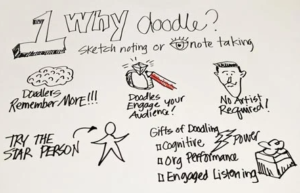
- Doodle or Sketch: If words aren’t your thing, use drawings or doodles to visually express your thoughts.
- Prompt Your Creativity: Use journal prompts like “What if I lived in another era?” or “Describe a place I’ve never been to.” These can spark imaginative thinking.
- Set a Routine: Spend 10–15 minutes daily journaling to turn it into a habit. Over time, you’ll notice an improvement in your creative thinking.
3. How Embracing Boredom Can Fuel Imagination
- Unplug from Screens: Take breaks from technology and let your mind wander. Boredom creates space for creativity to flourish.
- Daydreaming is Key: Allow your mind to drift—it can lead to unexpected and brilliant ideas.
- Do Nothing on Purpose: Take a walk, sit quietly, or stare at the clouds. These moments can give your brain the freedom to think outside the box.
- Experiment with Solitude: Alone time can help you focus on your inner thoughts and enhance your imagination.
Creative Activities for All Ages
Here’s how you can engage kids, adults, and groups in activities that spark creativity and imagination.
Fun Activities for Kids to Boost Imaginative Play
- Storytelling Games: Encourage kids to create their own stories using toys, puppets, or simple props.
- Pretend Play: Set up scenarios like a “restaurant” or “space mission” and let kids take on roles to explore their creativity.
- DIY Art Projects: Provide craft supplies like paper, colors, glue, and let them create anything they imagine.
- Nature Exploration: Go on nature walks and ask them to collect leaves, stones, or flowers to make art projects.
- Building Challenges: Use blocks, LEGO, or recycled materials to build imaginative structures.
- Treasure Hunts: Create clues for a fun scavenger hunt that fuels curiosity and problem-solving.
- Musical Fun: Introduce instruments or create DIY ones (like shakers) for creative music play.
Easy DIY Projects and Crafts for Adults
- Painting or Drawing: Try painting with watercolors or creating abstract art on canvas to relax and create.
- Journaling and Scrapbooking: Decorate pages with photos, doodles, and writings to document memories creatively.
- DIY Home Décor: Create handmade candles, macramé wall hangings, or painted pots for a personal touch at home.
- Upcycling Projects: Transform old items like jars, fabrics, or furniture into something new and useful.
- Knitting or Crochet: Learn simple patterns to make scarves, blankets, or decorative items.
- Cooking or Baking as Art: Experiment with cake decoration, plating, or creating themed dishes.
- Nature Crafts: Use pressed flowers, stones, or wood slices to make coasters, jewelry, or art pieces.
Group Activities That Promote Collaboration and Creativity
- Brainstorming Sessions: Organize idea-generating activities like word association or “What if?” challenges.
- Community Art Projects: Work on a mural, quilt, or large painting as a team.
- Escape Room Challenges: Solve puzzles together to build collaboration and creative problem-solving skills.
- Improvisation Games: Try acting out fun scenes or doing roleplay to boost spontaneity and teamwork.
- Craft Nights: Host group sessions where everyone creates their own version of a specific craft.
- Story Circle: Each participant adds a sentence to create a collaborative story.
- Team Cooking Challenges: Divide into teams and create unique dishes with surprise ingredients.