The Joys & Challenges of Raising Multilingual Kids
Discover the joys and challenges of raising multilingual kids! Learn how to nurture language development, overcome common hurdles, and support your child’s bilingual or multilingual journey with expert tips.
Raising a multilingual child is a rewarding journey! Imagine your little one effortlessly switching between languages, connecting with different cultures, and gaining cognitive benefits that last a lifetime. But let’s be real—this journey also comes with unique challenges, from language mixing to maintaining fluency. In this guide, we’ll explore the joys and struggles of raising multilingual kids and provide practical tips to make it easier for parents.

The Benefits of Raising Multilingual Kids
Cognitive Advantages – Enhanced Memory, Problem-Solving, and Creativity
One of the biggest perks of multilingualism is its positive impact on brain development. Studies show that children who grow up learning multiple languages have better memory, attention span, and problem-solving skills. Their brains constantly switch between languages, which strengthens cognitive flexibility and helps them adapt to new situations faster. This mental workout also boosts creativity, allowing them to think outside the box and approach challenges with innovative solutions.
Stronger Communication Skills – Ability to Express Themselves in Multiple Languages
Multilingual kids develop stronger verbal and non-verbal communication skills because they learn to express themselves in different linguistic and cultural contexts. They become more aware of tone, gestures, and emotions, making them effective communicators. Additionally, being able to switch between languages means they can connect with a wider range of people, from relatives in different countries to new friends who speak different languages. This enhances their social skills and makes them more confident in diverse settings.
Cultural Awareness & Identity – Building a Deep Connection with Multiple Cultures
Language is more than just words—it’s deeply tied to culture and identity. When children learn multiple languages, they also gain insight into different customs, traditions, and ways of thinking. This fosters greater empathy and understanding toward people from different backgrounds. Multilingual kids are often more open-minded and adaptable, as they grow up appreciating diversity. Additionally, learning the language of their ancestors or family members helps them stay connected to their heritage, strengthening their sense of belonging.
Academic & Career Opportunities – Long-Term Advantages in Education and Global Careers
Multilingual children have an academic edge, as language learning enhances reading, writing, and analytical skills. Research shows that bilingual and multilingual students often perform better in standardized tests and excel in subjects like math and science due to their strong cognitive abilities. Later in life, multilingualism opens doors to exciting career opportunities, as many global companies prefer employees who can communicate in multiple languages. Whether in business, travel, healthcare, or diplomacy, multilingual individuals have a competitive advantage in today’s interconnected world.
Common Challenges in Raising Multilingual Children
Language Mixing (Code-Switching) – Why Kids Blend Languages and Whether It’s a Problem
One of the most common concerns for parents raising multilingual children is code-switching, or mixing languages within a sentence or conversation. But is it really a problem? The short answer: No! In fact, it’s a natural part of multilingual development. Kids mix languages because they are still learning how to separate them, or because they may not yet know the right word in one language but do in another. This actually shows linguistic flexibility, not confusion. Over time, as they grow and gain more exposure, they will learn to keep languages separate in different contexts.
Maintaining Language Consistency – The Difficulty of Keeping Up Multiple Languages at Home
Consistency is key when raising a multilingual child, but it’s also one of the biggest challenges. Parents often struggle to ensure equal exposure to all languages, especially when one language dominates the household or community. Kids naturally gravitate toward the language they hear most, making it harder to maintain balance. One way to address this is by following structured approaches like the One Parent, One Language (OPOL) method or the Time & Place approach, where specific languages are spoken in certain settings. Additionally, regular exposure through books, music, and interaction with native speakers can help reinforce weaker languages.
Reluctance to Speak Certain Languages – How to Encourage Your Child to Use All Languages
It’s common for multilingual children to favor one language over others, especially if one is more dominant in their daily life. They may understand a language but refuse to speak it, which can frustrate parents. The key is to make the less-used language fun and engaging—through play, storytelling, or even watching cartoons in that language. Another strategy is creating a “need” for the language, like introducing native-speaking family members or friends who communicate only in that language.

Parental Concerns & Pressure – Myths vs. Facts About Multilingualism Affecting Speech Delay
A common myth is that learning multiple languages can cause speech delay or confusion in children. However, research shows that multilingual children develop language skills at the same pace as monolingual children—they just distribute their vocabulary across different languages. If a child experiences a delay, it’s usually unrelated to multilingualism and should be evaluated independently. Instead of worrying, parents should focus on providing rich linguistic exposure and being patient as their child navigates multiple languages.
Best Strategies for Supporting a Multilingual Child
The One Parent, One Language (OPOL) Method
The OPOL method is one of the most effective ways to nurture multilingualism in children. In this approach, each parent consistently speaks a different language with the child. For example, if the mother speaks Hindi and the father speaks English, the child naturally learns both languages through daily interactions. This method helps children differentiate languages from an early age, making it easier for them to develop fluency in both. OPOL works best when parents strictly follow their language roles and provide ample exposure to each language. However, consistency is key—if one language gets less exposure, the child may become more dominant in the other.
Time & Place Approach
If OPOL doesn’t fit your family dynamic, the Time & Place approach is another great alternative. Instead of assigning a language to a parent, you assign it to a specific time or setting. For example:
- Mornings in English, evenings in Spanish
- Weekdays in the community language, weekends in the heritage language
- Speaking one language at home, another at school
This method works well in families where parents speak multiple languages or when one parent isn’t fluent in a second language. The key is creating consistent routines so children know when to use each language.
Using Books, Songs, and Stories
Children learn best through fun and engagement, and books, songs, and stories are fantastic tools for reinforcing different languages. Reading bedtime stories in different languages helps improve vocabulary and listening skills. Similarly, nursery rhymes and songs make learning more enjoyable and interactive. Audiobooks, bilingual books, and storytelling sessions encourage language retention while fostering a love for reading.
Engaging with Native Speakers
Real-life interaction is crucial for multilingual development. Whenever possible, expose your child to native speakers through family members, playgroups, or cultural events. Speaking with grandparents, cousins, or community members helps reinforce natural fluency. If native speakers aren’t available nearby, video calls, online language tutors, or bilingual schools can bridge the gap. The more your child interacts in the language, the more confident they become in using it!
How to Prevent Language Loss in Multilingual Kids
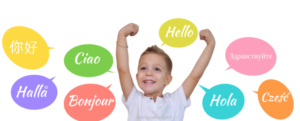
Raising a multilingual child is a wonderful journey, but one of the biggest challenges parents face is language loss—when a child starts forgetting or refusing to use one of their languages. Here’s how you can prevent this and ensure all languages remain an active part of their life.
Consistency is Key – Making Sure Languages Don’t Fade Over Time
One of the biggest reasons children lose a language is lack of consistent exposure. If a child is not regularly hearing or using a language, it naturally weakens over time. To prevent this:
- Set language rules: Use strategies like OPOL (One Parent, One Language) or Time & Place (assigning languages to specific situations).
- Create a daily routine: Incorporate the language into everyday activities—storytime, mealtime conversations, or bedtime chats.
- Encourage speaking over passive listening: Watching cartoons or listening to songs is great, but active participation (like repeating words or answering questions) is even better.
Creating a Language-Rich Environment – Surrounding Your Child with Diverse Linguistic Input
A child needs consistent and meaningful exposure to multiple languages. The more they hear and use a language, the stronger it becomes. Here’s how to build a language-rich environment:
- Books, music, and storytelling: Read books in different languages, sing songs, and tell stories to make learning fun.
- Find native speakers: If possible, arrange playdates or conversations with relatives and friends who speak the target language.
- Leverage technology wisely: Educational apps, audiobooks, and bilingual cartoons can reinforce language skills while keeping it entertaining.
Balancing Multiple Languages Without Overloading – How Much is Too Much?
Introducing multiple languages is beneficial, but it’s important not to overwhelm your child. Some tips:
- Follow their pace: Every child learns differently. If they seem frustrated, slow down and make learning more interactive.
- Keep it natural: Avoid forcing the language—integrate it into daily life in an enjoyable way.
- Mix, but don’t pressure: It’s okay if they switch between languages; what matters is maintaining exposure.