
How parenting styles affect child mental health
Discover how different parenting styles—authoritative, authoritarian, permissive, and neglectful—affect a child’s mental health. Learn the impact on emotional well-being, self-esteem, and long-term psychological health.
Parenting isn’t just about feeding, educating, and keeping a child safe—it deeply impacts their mental health and emotional resilience! The way parents interact, set rules, and show affection plays a crucial role in shaping a child’s self-esteem, emotional regulation, and social skills. Research suggests that parenting styles influence anxiety levels, stress responses, and even the likelihood of developing depression later in life.
In this article, we’ll explore four major parenting styles and how each one affects a child’s mental and emotional well-being. By understanding these effects, parents can make informed decisions to support their child’s psychological health.
The Four Major Parenting Styles and Their Impact on Children

Parenting styles play a crucial role in shaping a child’s emotional, social, and psychological development. The way parents interact with their children can influence their self-esteem, behavior, and overall mental well-being. Psychologists have identified four major parenting styles—each with distinct characteristics and effects.
1. Authoritative Parenting: The Balanced Approach
Authoritative parenting is considered the healthiest and most effective style. Parents set clear rules and expectations but are also warm, responsive, and supportive.
Characteristics:
- High expectations with reasonable flexibility
- Open communication between parents and children
- Encouragement of independence with guidance
- Impact on Children:
- Higher self-esteem and emotional resilience
- Better academic and social skills
- Strong emotional regulation and decision-making abilities
2. Authoritarian Parenting: The Strict Approach
Authoritarian parents enforce strict rules with little warmth or emotional support. Discipline is often harsh, and obedience is expected without question.
Characteristics:
- High expectations with little room for flexibility
- Emphasis on discipline and obedience
- Minimal emotional connection or warmth
Impact on Children:
- Increased anxiety, fear of failure, and low self-esteem
- Difficulty in expressing emotions and forming close relationships
- Higher risk of developing depression or rebellious behavior
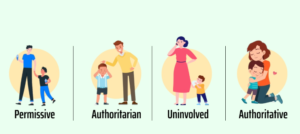
3. Permissive Parenting: The Lenient Approach
Permissive parents are loving and indulgent but lack firm boundaries. They avoid discipline and let children make their own decisions, even when guidance is needed.
Characteristics:
- Few rules and little structure
- High emotional warmth but minimal discipline
- Children’s desires often take priority over rules
Impact on Children:
- Poor self-discipline and emotional regulation
- Increased impulsiveness and difficulty handling frustration
- Struggles with responsibility and respecting boundaries
4. Neglectful Parenting: The Uninvolved Approach
Neglectful parents are emotionally detached and provide minimal guidance or support. Their children often feel ignored and lack a sense of security.
Characteristics:
- Minimal emotional involvement or supervision
- Basic needs may be met, but emotional needs are neglected
- Parents may be too busy or emotionally unavailable
- Impact on Children:
- Higher risk of anxiety, depression, and low self-worth
- Difficulty forming secure relationships
- Increased likelihood of risky behaviors and academic struggles

How Authoritative Parenting Supports Mental Health
Parenting plays a crucial role in shaping a child’s emotional and mental well-being. Among the four major parenting styles, authoritative parenting is widely recognized as the most effective in fostering a child’s psychological health. This approach balances warmth, structure, and clear expectations, creating a nurturing environment where children feel safe, valued, and supported. Let’s explore how authoritative parenting positively impacts mental health.
Encourages Emotional Regulation and Resilience
Children raised by authoritative parents learn to manage their emotions effectively. Since these parents set clear expectations while also offering emotional support, kids develop better coping mechanisms for handling stress, frustration, and disappointment. When faced with challenges, they are more likely to problem-solve rather than react impulsively. Over time, this strengthens their resilience, helping them bounce back from setbacks with confidence.
Builds High Self-Esteem and Independence
Self-esteem flourishes in an environment where children feel heard, respected, and encouraged. Authoritative parents validate their child’s feelings while also promoting independence. Instead of controlling their choices, they provide guidance and autonomy, allowing kids to make decisions within safe boundaries. This boosts self-confidence, as children learn to trust their judgment and abilities. As a result, they grow into self-reliant individuals who believe in themselves and their capabilities.
Reduces Anxiety and Depression Risk
Children raised in overly strict or neglectful environments often experience high stress, fear, or emotional neglect, which can lead to anxiety and depression. In contrast, authoritative parents create a secure, predictable, and loving atmosphere where children feel safe to express themselves. This emotional security lowers stress levels, reducing the risk of developing long-term mental health issues like chronic anxiety, self-doubt, or depressive tendencies.
Develops Strong Problem-Solving and Social Skills
Authoritative parenting promotes open communication and logical reasoning. Instead of enforcing blind obedience, parents explain why rules exist and encourage critical thinking. This approach helps children develop strong problem-solving skills, allowing them to navigate social situations, handle conflicts, and make responsible choices.
The Negative Psychological Effects of Authoritarian Parenting
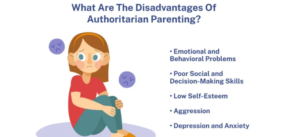
Authoritarian parenting is characterized by strict rules, high expectations, and little emotional warmth. Parents who follow this style believe in absolute obedience, discipline, and control rather than open communication and emotional support. While this approach may create discipline, it can also have serious negative effects on a child’s mental health.
1. Leads to High Anxiety and Fear of Failure
Children raised in authoritarian households often live with the constant fear of making mistakes. Since their parents have strict, non-negotiable rules, they become highly anxious about failing to meet expectations. The fear of punishment or disappointment leads to chronic stress, making it difficult for them to relax or take risks. This anxiety can follow them into adulthood, affecting their ability to handle pressure or try new challenges.
2. Can Cause Low Self-Esteem and Feelings of Worthlessness
Since authoritarian parents rarely provide emotional validation or praise, children may feel unworthy or never “good enough”. Their sense of self-worth becomes dependent on external validation, particularly from authority figures. Without encouragement and emotional support, they struggle with confidence and self-acceptance, often doubting their abilities. Over time, this can lead to low self-esteem and self-doubt, making them more vulnerable to criticism and rejection.
3. Increases the Risk of Depression and Rebellion
When children feel constantly controlled and unheard, they may develop feelings of hopelessness. They believe their thoughts, emotions, and desires don’t matter, leading to an increased risk of depression. Some children may also rebel against strict rules, engaging in secretive or risky behaviors as a way to reclaim their sense of control. Unfortunately, this rebellion often leads to conflict and strained parent-child relationships.
4. Creates Difficulty in Expressing Emotions
Authoritarian parents discourage emotional expression, often dismissing a child’s feelings as irrelevant or weak. As a result, children learn to suppress their emotions rather than communicate them in a healthy way. This emotional repression can lead to bottled-up frustration, difficulty forming close relationships, and struggles with emotional regulation in adulthood.
Final Thoughts
While discipline is important, parenting should also include love, empathy, and open communication. A balance between structure and emotional support helps children grow into confident, emotionally healthy individuals rather than anxious, withdrawn, or rebellious adults.
Permissive Parenting and Its Impact on Emotional Stability
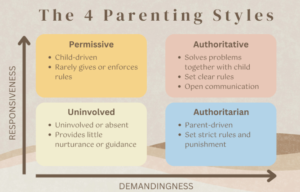
Permissive parenting is often seen as the “easygoing” style, where parents are highly nurturing but set very few rules or boundaries. While this approach may seem loving and supportive, it can negatively impact a child’s emotional stability in the long run.
1. Poor Emotional Regulation and Impulsivity
Children raised in a permissive parenting environment often struggle with emotional regulation. Since they aren’t accustomed to rules or discipline, they may react impulsively to emotions like frustration, anger, or disappointment. For example, a child who is never taught to manage frustration may throw tantrums even as they grow older because they haven’t learned how to cope with setbacks.
2. Low Frustration Tolerance and Entitlement
Permissive parents tend to give in to their child’s demands easily, often avoiding confrontation or saying “no.” While this may keep the child happy in the short term, it can lead to low frustration tolerance—the inability to handle even minor disappointments. These children might expect instant gratification and feel entitled to always get what they want, which can lead to difficulties in school, friendships, and later in their professional life.
3. Difficulty Coping with Real-World Challenges
In the real world, challenges, failures, and setbacks are inevitable. However, children raised in permissive households often struggle with adaptability because they aren’t used to facing consequences. Since they haven’t been taught problem-solving skills, they may find it hard to deal with failure, criticism, or challenges in adulthood. This can make them overly dependent on others for emotional reassurance and decision-making.
4. Higher Levels of Anxiety and Boundary Issues
Ironically, while permissive parenting appears nurturing, it can lead to higher anxiety levels in children. A lack of structure or guidance leaves them feeling insecure about what is expected of them. Children thrive on predictability and boundaries, and when these are absent, they may experience stress and uncertainty. This can also affect their relationships, making it harder for them to respect personal boundaries or understand the importance of rules in social settings.
How Neglectful Parenting Harms Mental Health 
Neglectful parenting, also known as uninvolved parenting, is characterized by a lack of responsiveness to a child’s emotional and physical needs. Parents who adopt this style often provide minimal supervision, emotional support, or affection. This detachment can have profound and long-lasting effects on a child’s mental health.
1. Causes Emotional Insecurity and Attachment Issues
Children rely on their parents for emotional security, comfort, and validation. When parents are emotionally unavailable or indifferent, children struggle to develop a secure attachment. They may feel unloved, unwanted, or invisible, leading to trust issues and difficulties in forming healthy relationships. This insecurity often carries into adulthood, making it hard for individuals to maintain emotional stability.
2. Increases Risk of Depression, Loneliness, and Self-Doubt
Neglectful parenting can leave children feeling isolated and unimportant. Without parental guidance and encouragement, they may struggle with self-worth and confidence. Many children raised in neglectful environments experience persistent sadness, loneliness, and emotional emptiness, which increases their risk of developing anxiety and depression. Over time, this emotional neglect can lead to self-doubt and difficulty recognizing their own value.
3. Leads to Poor Social Skills and Difficulty Forming Relationships
Social development begins at home. When children lack parental interaction, they miss out on learning key social skills like communication, empathy, and conflict resolution. As a result, they may struggle with building friendships, maintaining relationships, or expressing emotions appropriately. These social difficulties can extend into adulthood, making personal and professional relationships challenging.
4. Higher Likelihood of Engaging in Risky Behaviors
Without parental guidance, neglected children often seek validation and connection elsewhere, sometimes in unhealthy or dangerous ways. They may engage in substance abuse, reckless behavior, delinquency, or unhealthy relationships as a way to cope with emotional pain. Studies show that neglected children are more prone to engaging in crime, self-harm, or risky sexual behavior due to a lack of structure and support.

Long-Term Consequences of Parenting Styles on Mental Health
Parenting plays a vital role in shaping a child’s emotional well-being, stress management, and overall mental health. The way parents interact with their children doesn’t just impact childhood—it leaves a lasting impression that carries into adulthood. Let’s explore how different parenting styles influence long-term mental health outcomes.
1. Childhood Experiences Shape Future Relationships and Emotional Health
The bond a child shares with their parents serves as a blueprint for future relationships. Children raised in authoritative households, where parents balance love with structure, often develop secure attachments and healthy emotional regulation. On the other hand, authoritarian parenting (strict and controlling) may lead to fear-based relationships or emotional suppression. Permissive or neglectful parenting can result in difficulties with trust, boundaries, and emotional security in adult relationships.
2. Parenting Styles Influence How Children Handle Stress and Adversity
How parents help children deal with emotions affects their coping mechanisms in stressful situations. Authoritative parenting teaches problem-solving, self-confidence, and resilience, preparing children to handle adversity with a positive mindset. However, children raised in highly strict or neglectful environments often develop high stress responses, anxiety, or difficulty managing emotions, making it harder for them to handle life’s challenges.
3. Can Affect Academic Performance and Career Success
The motivation and self-discipline instilled during childhood impact educational achievements and career growth. Children from authoritative households often develop strong self-motivation, problem-solving skills, and confidence, leading to better academic performance. However, overly strict or neglectful parenting can lead to self-doubt, lack of motivation, or even burnout, making it challenging to excel academically and professionally.
4. May Increase or Decrease Vulnerability to Mental Health Disorders
Research suggests that parenting styles contribute to the likelihood of developing anxiety, depression, or low self-esteem in adulthood. A supportive, structured environment helps reduce mental health risks, whereas extreme strictness or neglect can lead to higher emotional distress, difficulty in relationships, and even substance abuse issues.
Conclusion:
The way parents discipline, nurture, and interact with their children has a direct and lasting impact on their mental health. While authoritative parenting tends to create emotionally strong and resilient children, authoritarian, permissive, and neglectful parenting styles may increase the risk of anxiety, low self-esteem, or other psychological challenges.
By being mindful, responsive, and balanced, parents can create an environment where children feel safe, valued, and emotionally secure. The key is to combine structure with empathy, allowing children to develop into mentally strong and emotionally intelligent individuals.