
How to Encourage Your Child to Eat Vegetables: Proven Tips
Having trouble with finicky eaters? Learn how to get your child to eat vegetables with engaging, proven tips from experts.
“Fewer than 1 in 10 children eat adequate vegetables daily,” reports the CDC. As a parent, you’ve likely endured the dinner table battle royale—your child pushing peas around their plate like they’re combatants on a battlefield. I’ve been there too! Getting kids to eat their greens can seem like a futile endeavor. But fear not—we’ve got effective, research-supported techniques that work. From sneaky tricks to family-friendly habits, this article will show you how to turn your veggie-hater into a veggie-lover! 
Understand Why Kids Avoid Vegetables
Understand Why Children Steer Clear of Vegetables
Kids tend to shy away from vegetables, and there are some real scientific and psychological explanations for that. To comprehend their behavior, it’s essential to begin by knowing why they detest vegetables so much.
The science of developing taste in children
Children’s taste system is much more sensitive compared to that of adults. The taste buds in their tongue are more responsive, and hence bitter or pungent-tasting vegetables like bitter gourd, broccoli, or spinach have a stronger bitter taste. This is a natural response, which has to do with their survival mechanism. Nature has made their taste system so responsive that they are repelled by bitter stuff because some bitter stuff can be toxic.
Sensory sensitivities and texture problems
Children respond not just to taste, but also to texture, smell, and appearance. If a vegetable is slimy, soft, or hard, they immediately reject it. For instance, they dislike the slimy texture of ladyfinger or the mushy texture of lauki. Some children are sensory processing sensitive, whereby they over-respond to some textures or odors. That is why they cannot eat vegetables.
Psychological explanations: control, novelty, and neophobia
Everything in childhood is new and unknown. When they are presented with something new in taste or appearance (like vegetables), they automatically turn it down. This is referred to as food neophobia—fear of new foods.
Make Vegetables Fun and Engaging
Children don’t enjoy vegetables, but if you use a bit of imagination, the same old dull vegetables can be made exciting for them. Below are some enjoyable and interactive methods you can try:
1. Use cookie cutters to shape veggies into interesting characters
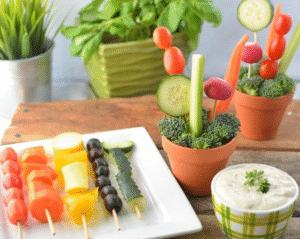
You may chop vegetables such as cucumber, carrot, beetroot, or capsicum into shapes of stars, hearts, flowers, or animals using cookie cutters of various shapes. When vegetables appear pleasing to the eyes, children’s curiosity grows and they get encouraged to taste them.
2. Create colorful veggie rainbows or snack art
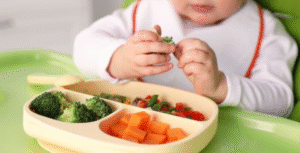
Children adore colors. You can turn their plate into a palette and create a rainbow or creative pattern using a variety of colored vegetables. Like, red bell pepper, orange carrots, yellow corn, green peas, blue cabbage, and purple beetroot will create a rainbow. This creates curiosity among kids to eat them.
3. Make eating a game (such as the “eat the rainbow” challenge)
To ensure mealtime is not dull for children, you can turn it into a game. One common suggestion is the “Eat the Rainbow” challenge in which you encourage your child to taste one vegetable of each color. You can create a chart on which a tick mark will be made beside each color once the child has tasted that veggie. Engaging in challenges like these makes children enthusiastic and they willingly taste new flavors.
Involve Kids in the Cooking Process
Getting children involved in cooking is a great way to encourage them to befriend vegetables. When children create something for themselves, they become more interested in it and will be more open to eating it. Here are a few easy ideas you can add to your routine:
1. Bring them to the grocery store or farmer’s market:
When you shop for vegetables, bring your child with you. Present the possibilities to them and ask, “Which vegetable do we try today?” When children make their own choices, they are more curious and look forward to eating vegetables.
2. Assign them small tasks in the kitchen: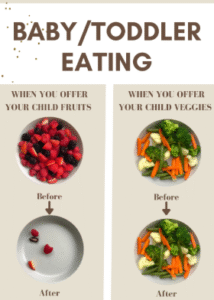
Provide children with simple tasks based on their age such as washing vegetables, cutting salad leaves, or stirring with a spoon. These simple activities make them feel part of the process and also boost their confidence. When children see their input in a dish, they are more curious to taste it.
3. Ask them to taste it while cooking:
While cooking, allow them to have a taste of little portions. This creates familiarity and acclimatizes them to new tastes. Either not today, but tomorrow, they will begin to accept that veggie.
Be a Role Model: Eat Your Veggies Too!
Hello people! Felt like you needed to pass along something valuable to others about our little ones and their tendencies, specifically concerning eating. You see, kids model themselves after us, yes? They are sort of little mirrors, whatever we do, that they attempt the same as well.
“Like father like son” – you might have heard this phrase. It is so true even when it comes to food habits. If you are having healthy food, especially vegetables, then there are chances that your children will also taste it. But if you rely on pizzas and burgers, then how can you expect them to like bhindi and also love bhindi?
Eat Together, Grow Together!
And then there is this extremely important one – dining with family. If you all eat together at the table, your stomach is not the only one that gets full, your hearts also bond. It’s wonderful to chat, discuss your day, and just bond. And when children witness everyone eating healthy food together, they too feel like eating everything. And, also research states that kids of households that dine together are better behaved in school and their health also is good.
Good work! Good work!
Lastly, when your children do something new, particularly healthy foods, do not forget to commend them. A little compliment and encouragement go a long way. If they eat a little bit of a new vegetable, say good job, very good. They must know that they have done something positive. Gradually, the positive attention will motivate them and they will be willing to try more new things.
So guys, keep this in mind, actions speak louder than words. Be a good role model for your children, eat your greens, have family meals, and don’t forget to acknowledge them for attempting new foods. Believe me, these little things will pay off big time in the long run!
Sneaky Ways to Add Veggies to Meals
Is it tough to hide veggies from children? Then relax! With a few easy and clever tricks, you can keep veggies hidden in their favorite foods without any tantrums.
1. Hiding in Sauces, Soups, or Smoothies:
You can blend and mix spinach, carrots, gourd, or beetroot quietly into tomato sauce, white sauce, or even soups. When blended well, no taste of these vegetables is observed and children have no problem in eating them. In Smoothies, you may make them flavorful by blending vegetables like spinach, cucumber, or avocado with fruits.
2. Addition in Muffins, Pancakes, or Meatballs
You can grate or mash vegetables and add them to the batter of muffins, pancakes, or meatballs. Children do not recognize the actual taste of baked carrots, gourd, beetroot, or zucchini, and they consume it all without verification.
3. Incorporating Cauliflower Rice or Zucchini Noodles:
Rather than using conventional rice or noodles, you may substitute with cauliflower rice (rice from cauliflower) or zucchini noodles (prepared using a zucchini spiral cutter). These are healthy alternatives and kids usually do not know the difference, particularly when served with their favorite flavor.
Create a Positive Mealtime Environment
Hello friends! Today we will discuss how you can make mealtime in your household really enjoyable and pleasant. Whether children or adults, all of us enjoy eating food in a light and cheerful way, right? So let’s look at some easy tips by which you can do so.
No Pressure, No Bribes: Why doesn’t this work?
Have you ever attempted to get your child to eat by stating, “If you finish all this, you will get chocolate“? Or else pressure might have been applied to them like “Look, how many children are hungry, you will have to eat all of it!“ Believe me, these tactics do not work at all in the long term.
When you bribe or put pressure on the kid, his attention gets diverted from eating. They experience it as some sort of punishment or a method to obtain something. This will not assist them in having a good relationship with food. They might agree to it at the moment, but internally they begin relating that food to something adverse. Further on, it might cause picky eating or other eating disorders. That is why it is good to encourage with love and without any stress.
Keep Portions Small and Stress Low
When you provide a lot of food on the plate, children feel stressed even by looking at it. They think about how they are going to finish so much. That is why always begin with small portions. If anyone wants more, he will ask.
And the most important thing, the atmosphere of the house should be completely relaxed while eating. No tension, no rush. If you are stressed, then that will somehow get transmitted to the kids too. Eating food while having fun and chatting sweetly is a different sort of fun!
Screen-Free and Conversational Mealtimes
Envision this, we all are sitting around the dining table and all are engaged with our phones. Does it feel good? Absolutely not! Dinner time is not only a time to fill the belly, it is also a time to bond with the family.
So do make the mealtimes screen-free. TV turned off and mobile phones put aside. This time, all people must chat with one another. What happened yesterday, did a person remember some joke, or simply have an everyday gap-break? When we chat, everybody relaxes and even enjoys their meal. In some ways, it is also such a good opportunity for family bonding.
Be Consistent and Patient
When it comes to feeding vegetables to children, the most essential mantra is: patience and consistency. Do not anticipate a miracle overnight. Children need some time to adopt new tastes and textures. The following are some techniques that will aid you in this journey:
Repeated exposure: the magic of 15 tries
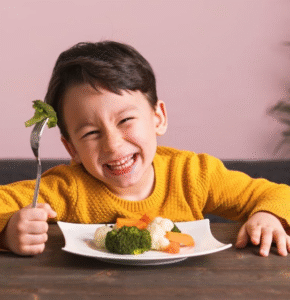
Studies indicate that to accept a new food, a child must be offered it an average of 10 to 15 times. So if your child refuses to eat spinach or carrots for the first time, don’t worry. Continue offering him the vegetable in small quantities at regular intervals – without forcing him. Gradually he will begin accepting it.
Celebrate small victories (even touching or smelling is okay!)
If today the child merely tastes the vegetable or is used to its smell, that too is progress. Enjoy every little success. This will give a boost to his confidence and make him feel that he is doing something new.
Establish trust over time with gentle encouragement
Forcing kids only makes them more obstinate. Therefore, discuss things with them softly and lovingly. Tell them how healthy vegetables are for their body. Engage them through storytelling or interesting facts. If you have a gentle and positive demeanor around them for a long period, kids begin trusting you and are willing to taste new foods.
Bottom line: All children are unique. Some pick up immediately, while others do so after a while. Only your persistence and consistency can provide you with long-term gains.
Conclusion:
Getting your child to eat vegetables isn’t about one perfect trick—it’s about patience, creativity, and consistency. From involving them in the kitchen to making veggies visually fun, these tips help you shift the mealtime vibe from stressful to successful. Remember: even one new veggie a week is a win! Stick with it, and soon, those greens might just become their favorites. Want more kid-friendly food tips? Follow us for weekly parenting insights that work!
One Reply to “How to encourage your child to eat vegetables”