
Handling a Child with Cognitive Disorders
Please read our blog to understand and handle cognitive disorders in your children. Practical suggestions for parents, educators, and caregivers to support development and create a nurturing environment.
Life can be both rewarding and challenging for the parents of children with cognitive disorders. In cognitive disorders, children have problems in learning to think, maintaining memory and problem-solving. It makes a lot of difference if the children are given proper guidance and supported strategies are used. In this guide, we’ll discuss practical tips that will help you understand your child’s needs, create a supportive environment, and work with professionals.
Understanding Cognitive Disorders in Children

Definition of Cognitive Disorders: Cognitive disorders are such things in which the child has less thinking power. He is unable to solve the problem and has trouble in decision-making. These disorders can start from childhood, and their early diagnosis is very important.
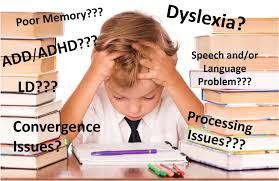
Common Types of Cognitive Disorders in Children:

-Learning Disabilities: Like dyslexia, which makes reading and writing difficult.
-Intellectual Disabilities: Where overall mental capabilities are low.
-Developmental Delays: When the child does not achieve age-appropriate milestones on time.
-Memory Disorders: Where it is difficult to retain and recall information.
Early Signs and Symptoms to Watch For:
–Frequently facing learning and school-related problems.
–Difficulties completing daily activities.
–Delays in communication and speech development.
–Lack of attention and focus.
–Difficulties in problem-solving and decision-making.
–Issues in social skills and emotional regulation.

Creating a Supportive Home Environment
Establishing Routines and Structure: Creating consistent routines and structure for children supports their cognitive development. Having fixed daily tasks like eating, sleeping and studying at fixed times can improve their memory and time management skills. A structured environment makes children feel safe and secure.
Creating a Safe and Predictable Environment: Providing children with a safe and predictable environment is important for their emotional and behavioral development. You can increase their comfort by setting clear rules and expectations at home, following safety measures and reducing unnecessary noise and distractions.
Encouraging Positive Reinforcement: Positive reinforcement improves children’s self-esteem and learning abilities. Whenever a child shows good behavior or learns new things, giving them praise and small rewards motivates them. This method is especially effective for the development of children with cognitive impairment.
Supporting Learning and Development
Tailoring Educational Approaches to Your Child’s Needs
A different educational approach should be used for each child. It is very important to do this while keeping in mind the needs and requirements of each child. Every child has a different way of thinking and the way of learning is different.
-Individualized Learning Plans (ILP): In this plan, you have to make a personalized educational plan for your child according to his strengths and weaknesses, which will guide him better
-Specialized Curriculum: You can add subjects to them in a way that improves their interest and abilities and it is important to keep in mind that children also get interested in those subjects
-One-on-One Tutoring: Provide properly trained teachers to special needs children so that they get proper attention and their learning improves
Using Assistive Technology and Adaptive Tools
In today’s time, technology has grown a lot, in which the learning process has been made more possible, special tools, apps and software have come for all children By installing these you can make their development fast and easy.
-Speech-to-Text Tools: If the child has problems in writing, then these tools convert their speech into text.
-Visual Aids and Flashcards: Use visuals to make learning interesting and interactive.
-Educational Apps: Use specially designed learning apps that support the cognitive development of the child.
Collaborating with Teachers and Therapists
Therapist and teachers working together is very helpful for the overall development of children. It is crucial for their development.
Regular Meetings: You should schedule a meeting of teachers and parents to check the regular progress of your children so that you can get an idea about their development.
Open Communication: Teachers and parents should talk openly about all kinds of challenges and problems of children so that there is a better understanding.
Home-School Coordination: It is very important that whatever is taught to children in school, you as a parent should revise it to the children at home so that they can understand it. remember it for a long time
Managing Behavioral and Emotional Challenges
Coping with Frustration and Meltdowns
Toddlers are an age where children are still learning to handle their emotions, so frustration is a common thing. Here’s how you can help your toddler navigate these feelings:
-Stay Calm: You have to keep your anger calm as children will see that if you remain calm, they will also remain calm in stressful situations and will learn to manage their anger.
-Acknowledge Their Feelings: If your child is angry, it is very important to validate their anger as it will seem that we are listening to them and will try to understand. You might say, “I can understand that you are getting angry.”
-Create a Safe Space: If you feel that your child is a little more emotional, then you should create a space for him where he feels comfortable and he can express his emotions and relax.
Encouraging Emotional Expression Through Play and Art
Your child can use various activities to express his emotions. These activities not only boost his creativity, but also help him understand his feelings.
-Art: Drawing or painting is a great way for children to express their emotions. They can draw their emotions in their paintings. You should encourage your children to draw their emotions on canvas.
-Playtime: Playing is a great way for children to express their emotions. If they are feeling angry, let them pretend play with toys so that they can understand their emotions.
-Storytelling: If you can take out time to listen to stories with your friends, it will be very good because it will make the child feel that the feelings they are feeling are also normal for other children.
Seeking Behavioral Therapy When Needed
If your child is having a lot of problems handling his emotions, then it becomes very important for you to take help from a professional. Behavioral therapy helps them to understand and control their behavior.
-Identify the Signs: If you think your child is experiencing emotional problems and frustration, and is also experiencing anxiety, it is important to take early intervention steps. Do not ignore signs such as excessive tantrums, emotional outbursts, or social withdrawal.
-Consult a Specialist: Your pediatrician or child therapist can guide you on which therapy options are suitable for your child. Play therapy and cognitive-behavioral therapy (CBT) can be effective for toddlers.

Building a Strong Support System
Building a strong support system is essential for any parent, especially when navigating challenges related to raising children. Here’s how you can create a solid support system for yourself and your family:
Connecting with Other Parents:
It’s important for you to balance your relationships with others. You can learn a lot from their insights. There are many local parenting groups that you can join to stay updated. These groups can offer you emotional support as well as practical advice.
Support Groups:
If you feel like your problem is unique from others, support groups can be very helpful in getting through a problem. These groups are usually for a specific issue such as ADHD, speech delay, or anxiety. In such a group, you will find other people with similar problems as you, which will give you experience and emotional support, who will also give you ideas about how to improve your parenting approach.
Finding Professional Help:
If you feel that your child needs some professional help, then you should see a professional who will guide you. These professionals can give you proper guidance, whether your child is facing emotional issues or dealing with a developmental delay. With the help of proper therapist, your child will get better help and you will also get emotional support.
Working with Schools and Community Services:
You should work with the school and community. It is important that children have counsellors and teachers in school who monitor the development of the child very closely.
Conclusion:
Raising a child with cognitive disorders comes with unique challenges, but with the right knowledge, support, and mindset, you can help your child reach their full potential. Stay patient, stay informed, and remember—you are not alone on this journey. Connect with professionals, build a support system, and never stop believing in your child’s capabilities.