How to Protect Children from Air Pollution: Smart Tips for Safer Breathing
How do we defend children from air pollution? Discover the top tips that will secure your child’s breath and well-being—both indoors and out!
Did you know that children inhale more air than grown-ups in every breath? This implies that the effect of air pollution on their health can double! And at this time when pollution is rising everywhere—whether at home or school, park or road—safety for children becomes even more significant for us.
Air pollution is not restricted to cough or cold. They can harm their lungs, immunity, and even brain development. But do not worry! In this guide, you will come across easy and effective steps by which you can save your child from pollution.
So let’s make every breath healthy because every breath is important.

Understanding the Impact of Air Pollution on Children
1. Why children are more vulnerable than adults
Air pollution has a greater impact on children than adults because their immune system is not fully developed at this stage, so their immune system cannot fight such a high level of pollution. Therefore, children may face more problems from polluted air. When children are playing outside on the ground, they take deeper breaths, which causes more pollution to enter their bodies.
Children are short in height and pollution such as vehicle exhaust is higher near the ground, so they are directly exposed to it.
2. Common health issues caused by air pollution (asthma, allergies, lung development issues)
-Air pollution can cause many types of health problems in children:
-Understanding the Effects of Air Pollution on Children
Asthma: Toxic particles found in dirty air like PM2.5 and ozone initiate asthma attacks. Wheezing, shortness of breath, and repeated coughing are typical among children.
Allergies: Pollen, dust, and pollutants induce skin and respiratory allergies in children. Eye itching, nasal block, and irritation of the throat are typical.
Lung development problems: If children’s lungs are developing in an environment with pollution, it becomes hard for them to achieve their maximum potential. This may result in respiratory disorders in them even in their adult life.

3. Risks to cognitive and physical health in the long run
Long-term exposure to a contaminated environment influences not just physical but also mental well-being:
Cognitive problems: Research indicates that excessive levels of pollution retard the development of the brain among children. Effects like difficulty in concentration, learning, and behavioral problems begin to emerge.
Physical health hazards: Such severe effects as frequent infections, compromised immunity, cardiovascular problems, and growth retardation may also emerge. Long-term exposure also depletes overall physical endurance in children.
The impact of air pollution is not visible in the short run, but its cumulative effect can dramatically impair their quality of life.
Polluted areas at home (kitchen, balconies, indoor smoking)
There are many places in the house where there is a lot of pollution but parents sometimes ignore such things like the kitchen, especially when you are using LPG or wood stove, a lot of harmful gases are released from it like carbon monoxide. If you do not have proper ventilation in the kitchen, then those gases will keep circulating inside the house and will affect the health of children a lot due to which they can have asthma problems.
The balcony is also one such area where pollution can easily enter, especially if your house is near a busy road. The vehicle exhaust and dust particles coming from there can directly enter the house.
If someone smokes in your house, then that can also be the biggest reason for air pollution because a lot of harmful toxic chemicals are released through cigarettes which enter the body of children and they have to face problems in the respiratory system and make their system weak.
Outdoor exposure (parks, near traffic, school commutes)
It is very important for children to have outdoor activities in their lives, but if it is happening in the wrong place, in a polluted place, then it can be very harmful to their bodies. Often parents consider parks as safe places to play, but the pollution level there is quite high because there are roads outside the parks. Where there is heavy traffic, the pollution level is high. The exhaust fumes and dust from vehicles easily reach where children are playing.
School commute is also an important point. If a child goes to school in an auto or bus that spends a lot of time in traffic, his exposure also increases. Also, if the school is located near a main road, the environment there can be polluted.
Seasonal pollution peaks (winter smog, Diwali smoke, etc.)
Pollution levels rise sharply in particular seasons. The most evident example is the winter season when pollution and fog mix to create smog. At this time suspended particles rise in the air which can directly enter the lungs and damage them.
At Diwali, the air condition deteriorates sharply because of firecrackers. At this time the concentration of smoke and harmful gases goes up so high that even a healthy adult is in trouble breathing, and for children, it becomes all the more hazardous.
Besides this, stubble burning post-harvest season is also one of the prominent causes of pollution in North India that has a direct effect on metro city air quality.
Effective Indoor Air Protection Strategies
Using air purifiers and HEPA filters
Nowadays when the pollution outside increases a lot, it has become very important to keep the indoor air clean. Air purifiers can help us a lot in this. If you use an air purifier with a HEPA filter, it can filter out small harmful particles like dust, pollen, and even bacteria. This air purifier is especially important at home. It is very useful when children are affected by asthma or allergy.
Employing HEPA filters and air purifiers
These days when pollution outside is high, it is highly necessary that indoor air be kept clean. Air purifiers can do much for us. If you utilize an air purifier with a HEPA filter, it is capable of cleaning small harmful particles such as dust, pollen, and even bacteria. This air purifier is particularly crucial in the home. It is quite helpful when children suffer from asthma or allergy.
Maintenance of indoor purifying plants (Spider plant, Areca Palm)
Nature does possess an air cleaner—plants. Certain houseplants such as Spider plant, Areca Palm, and Peace Lily filter away airborne toxins and enrich oxygen levels. Not just make your abode clean but provide a touch of nature also. Ensure plants are given sunlight and water as and when they are needed to maintain their potency.
Prohibiting cigarette smoke and incense/candles
Indoor smoking or excessive burning of incense sticks or candles can ruin the quality of indoor air. These products emit toxic gases that can impact the lungs of children. Thus, a no-smoking rule should be practiced within the home, and if one has to use incense sticks or candles, burn them for a brief period and use them with proper ventilation.
Dusting and reducing allergens regularly
Sparing some time daily to clean the house goes a long way in avoiding pollution. Allergens such as dust mites, animal hair, and pollen are kept hidden in furniture, carpets, and curtains. Vacuuming regularly, dusting, and washing beddings are required—more so if there are young children in the home. Regular cleaning with a damp cloth also keeps dust particles from getting into the air.
Smart Outdoor Protection Tips
Fresh air and playing out are essential for children, yet a toxic environment can prove harmful to their health. Here are some intelligent tips on how to keep your child safe while venturing out.
1. Best Times of Day for Outdoor Play
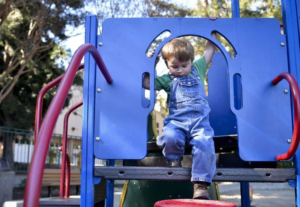
In the morning, particularly between 6 and 9 pm, air quality is comparatively better. There is little pollution during this period because industrial activity and traffic movement have not begun yet. In the evening, especially after 5, levels of pollution begin to rise, so outdoor play outdoors will be safer in the morning.
2. Safe Route Selection for Walks and School Trips
If your child has to walk through congested roads or industrial zones on the way to school or tuition, then exposure to pollution is certain. Therefore
-Select a route surrounded by greenery or low traffic.
-If achievable, select a route to pass through residential lanes or back streets.
-Carpooling or going by a school van is also a wise idea that cuts down exposure.
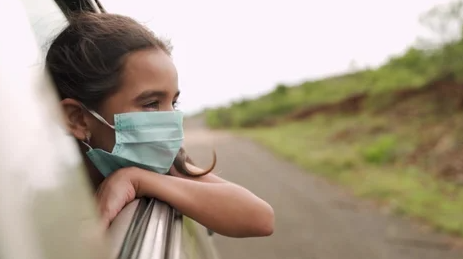
3. Wearing Pollution Masks Specifically for Children
Normal masks do not suit all individuals, particularly not children. So:
-Apply specifically designed anti-pollution masks (such as N95 with kids’ fit) on children.
-The mask should fit properly and feel comfortable, in such a manner that the mask will not get taken off multiple times.
–Applv soft fabric masks so that it doesn’t become irritating.
4. Monitoring of Air Quality Apps Before Going Outside (AQI Check)
AQI i.e. Air Quality Index indicates how clean the air is around you. Today numerous free applications are available:
-SAFAR-Air
-Plume Labs: Air Report
-QAir
Tips:
-When AQI is less than 100, then only permit outdoor activity.
-When AQI is 150 or above, then do not go out to play.
-Create a daily routine and surely check the AQI before stepping out.
Nutrition and Immunity: Building Internal Defenses
When we are discussing air pollution, merely taking precautions outdoors is not sufficient. Kids must be immune from the inside as well so that their body is capable of dealing with toxic pollutants independently. In this, we will discuss three critical things: proper food, water, and natural nutrients.
1. Foods That Support Lung Health (Broccoli, Citrus Fruits, Turmeric)
Food directly influences the lungs and immunity. Certain special foods detoxify the lungs and strengthen the immune system:
Broccoli: It contains antioxidants and anti-inflammatory components that guard lung tissues. It has a component called sulforaphane which guards the lungs against pollution’s effects.
Citrus Fruits (such as oranges, lemons, and sweet lime): They are rich in Vitamin C which is a strong antioxidant. It fortifies the immune system and enhances the ability to combat infections.
Turmeric: It has curcumin in it which is famous for its healing and anti-inflammatory properties. It is healthy to have turmeric blended in milk or lentils every day.
2. Significance of Hydration and Antioxidants
Hydration is underestimated by most individuals, but water intake is also necessary in a contaminated environment:
Hydration: When pollution particles enter the body, mucus is created. Water dilutes the mucus so that it can be easily removed from the body. If the child is dehydrated, the mucus thickens and causes breathing difficulties.
Antioxidants: These help keep body cells safe from harm. Antioxidants combat the oxidative stress that is caused by pollution. Immunity relies on foods that have antioxidants like Vitamin C, Vitamin E, and Beta-Carotene.
3. Natural Supplements (Consult Pediatricians)
In case food is not offering complete nutrition, certain natural supplements can be included – but always after consulting a pediatrician first:
Vitamin D: Kids receive less sunlight because of pollution and indoor living. Vitamin D is needed for immunity.
Zinc supplements: These are required for the functioning of immune cells. Zinc deficiency will result if there is tiredness or recurrent infections.
Turmeric capsules or Chyawanprash: These age-old ones also help immunity. However, their dosage and appropriateness are determined by the physician.
Educating Children to Be Pollution-Conscious
1. Explaining air pollution in a manner suitable for their age
It is a bit challenging to tell children about air pollution. Do not confuse them with jargon. Use language that is simple and easy to understand. For instance:
-“Pollution refers to dirty air, which contaminates the air we breathe.”
-“When factories, cars, and firecrackers release smoke, the air becomes filled with toxic smoke.”
You can also tell them that dirty air may cause a stuffy nose, cough, and breathing problems. You can make this idea clearer to them by showing pictures and using flashcards or cartoon videos.
2. Promoting habits such as nose-covering, hand hygiene, and monitoring AQI
It is extremely essential to instill healthy habits among children, particularly regarding pollution. You can instill some such habits in their daily life:
-Wear a mask before stepping out and properly wear it.
-Wash hands, face, and feet correctly after returning home from outside.
-Educate them on what AQI (Air Quality Index) is. If you have an AQI app on your mobile phone, demonstrate to them how green is safe and red is hazardous.
3. Getting it fun: pollution awareness games and storytelling
Unless kids like something, they will not be interested in it. So rather than making pollution awareness a monotonous subject, make it interactive and fun:
-Instruct with storytelling like “Queen of Clean Air” or “Pollution Se Ladne Wale Superheroes” where the characters use masks, grow plants, and overcome pollution.
-Activities like “Pollution Hunt” where kids find sources of pollution within and outside the home and talk about the solutions.
-Drawing or coloring activities in which they are requested to draw clean vs polluted environments.
Conclusion:
Our children deserve clean air to breathe and safe spaces to grow. While we can’t control the world around us completely, we can take powerful steps to reduce their exposure and strengthen their defenses. By combining smart indoor habits, mindful outdoor routines, and nutritional support, you can create a pollution-smart lifestyle that makes a real difference.
Start today—because every breath counts.