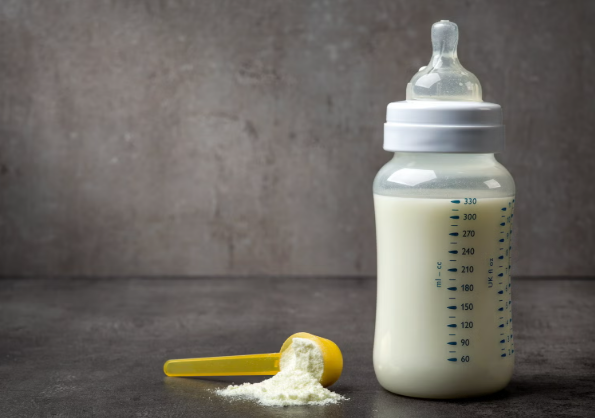
What is Baby Formula Milk
Are you also wondering that what is formula milk and how it is made and what the process so I am here to tell you there is a complete guide that will explain you everything that you need to know from type of formula milk and the benefits and preparation. tips so let’s start without wasting any time
Are you also a new parent so this is the right place for you and you also want to know about formula milk don’t worry we are here to help you baby formula is like a life saver for many parents who can’t or choose not to breastfeed. But it’s essential to understand what it is, how it works, and which type is best for your baby.
In this guide, we’ll walk you through everything you need to know about baby formula milk — types, ingredients, preparation tips, and much more. Ready to become a pro at choosing the right formula for your baby? Let’s dive in
What is Baby Formula Milk?
Baby formula milk is an expressionally designed formula which is an alternative to breast milk that can be used with newborn babies when breastfeeding is not possible or first parents do not want to use this method. Then this baby formula milk is a very safe way to provide nutrition to babies. This formula is scientifically designed so that babies get all the essential nutrients which are necessary for their growth and development.
Formula milk is given to babies by mixing it with water, and it is suitable for their digestive system.
Definition and Purpose of Baby Formula Milk
Definition:
Formula milk is an artificial milk substitute made from hydrolysed protein of cows milk, soy milk and contains all the things like protein, vitamins, minerals, fats and carbohydrates which form a balanced mixture that is important for the baby’s health.
Purpose:

-Formula milk is used when the mother cannot breastfeed or the baby needs extra nutrition.
-It is helpful for babies who are born with low birth weight or have lactose intolerance or some other food allergy.
-Another purpose of formula milk is that it gives parents flexibility in their feeding routine, especially for working moms.
Brief History of Baby Formula Milk
In the past, when women could not provide breastfeeding, babies were replaced with cow’s milk or goat’s milk, which was not recommended as an idea for babies.
Around the 19th century, doctors began experimenting with modifying cow’s milk to make it safer for infants. In 1867, Justus von Liebig created the first commercial baby formula, which was available in powder form.
By the mid-20th century, formula milk became very popular, and gradual improvements were made to make it as close to breast milk as possible. Today, baby formula milk is hi
ghly regulated and scientifically proven to be safe and nutritious for babies.
Why Parents Opt for Formula Milk
Parents choose formula milk for different reasons. Some common reasons are:
Breastfeeding Issues:
Many moms cannot feed their babies because they have health issues like milk supply or lactation problems. In this case, parents opt for formula milk which helps in making their babies healthy.
Flexibility for Parents:
Formula feeding allows both parents to share feeding responsibilities. This gives the mother time to rest, and the father can also be a part of the bonding experience.
Medical Conditions:
Some babies have special mental conditions like lactose intolerance allergies, due to which they are recommended formula milk by the doctor.
Adoption or Surrogacy:
If the baby is adopted or born through surrogacy, then formula milk is the best option to ensure proper nutrition.

Types of Baby Formula Milk
When it comes to baby formula, understanding the different types available can help parents choose the best option for their little one. Below is a detailed explanation of the four main types of baby formula milk, along with when and why each type is recommended.
1. Cow’s Milk-Based Formula
The most commonly used baby formula is cow’s milk-based formula. It is designed to mimic the nutritional profile of breast milk by modifying cow’s milk to make it
safe and easy for babies to digest.
Why is it used:
Suitable for most healthy babies
Provides a balanced mix of protein, fats, and carbohydrates
Available in both regular and organic options
Best for:
Babies without any special dietary needs or allergies
2. Soy-Based Formula
Soy-based formula is made from soy protein and is a great alternative for babies who can’t tolerate cow’s milk-based formula.
Why is it used:
Ideal for babies with lactose intolerance or cow’s milk protein allergy
A good option for families following a vegan diet
Best for:
Babies with lactose intolerance
Babies who have a cow’s milk allergy
Parents who prefer a plant-based formula
3. Hydrolyzed Formula
Hydrolyzed formula is also known as hypoallergenic formula. In this type, the proteins are broken down into smaller pieces (partially or extensively hydrolyzed) to make it easier for babies to digest.
Why is it used:
Recommended for babies with severe allergies or digestive issues
Reduces the risk of allergic reactions
Best for:
Babies with cow’s milk protein allergy
 Babies with eczema, colic, or reflux issues
Types of Hydrolyzed Formula:
Partially Hydrolyzed Formula: Proteins are partially broken down. Suitable for babies with mild digestive issues.
Extensively Hydrolyzed Formula: Proteins are completely broken down, making it ideal for babies with severe allergies.
4. Specialized Formula
Specialized formulas are designed for babies with specific health conditions or premature babies who have unique nutritional needs.
Examples of Specialized Formula:
Preemie Formula: For babies born prematurely, providing extra calories and nutrients to support growth.
Lactose-Free Formula: For babies with lactose intolerance.
Anti-Reflux Formula: Thickened formulas designed to reduce reflux.
Elemental Formula: For babies with severe food allergies. It contains amino acids (the simplest form of protein) for easy digestion.
Best for:
Premature or low birth weight babies
Babies with reflux, allergies, or severe lactose intolerance
Babies with metabolic disorders
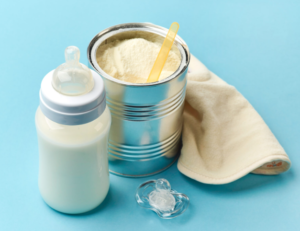
Ingredients in Baby Formula Milk – What is there in Baby Formula Milk?
There are so many essential nutrients present in the formula milk of the baby which are very important for the overall growth of the baby. These nutrients try to mimic breast milk. Let us understand this by talking more.
Key Nutrients Found in Formula Milk
Protein: Formula milk contains cows milk base protein which tries to substitute mother milk which helps in developing the muscles of the baby.
Carbohydrates: Carbohydrate is mostly lactose which is the main source of energy in the body. Some formulas are also lactose free. For babies who are lactose intolerant, such formula milk is good.
Fats: Provides healthy fats which help in brain development and are necessary for energy.
Vitamins and Minerals: Vitamins like Vitamin D, C, and minerals like calcium, iron, and zinc are important for baby’s bones, immunity, and overall health.
Difference Between Formula Milk and Breast Milk
Breast milk gives babies natural antibodies that protect them from infections while formula milk does not have these immunity boosting properties but formula milk is a better alternative that is very beneficial for the overall development and nutrition supply of babies.
DHA, ARA, and Other Additives
DHA (Docosahexaenoic Acid) and ARA (Arachidonic Acid) are essential fatty acids that help in brain and eye development. These components are naturally present in
breast milk, so many formula brands add them to their products so that babies’ development is better.
How to Choose the Right Formula for Your Baby
How to choose the right formula for your baby? It is very important for parents to decide which formula to choose for their baby. It can be a little confusing. That is why we have made this simple guide so that you do not face any difficulty.
1. Keep Age, Health and Allergies in mind
First of all, while choosing a formula, you must keep your baby’s age and health in mind because the formula for newborn babies is different and the formula for children after six months is different. If your child is laptop intolerant or has cow milk allergy, then it will be better for you to choose soy milk formula which will be right for your baby.
If your baby spits up a lot, has colic or digestive issues, hydrolyzed formula may be an option. Every baby is different, so it is important to understand their needs.
2. Consult your pediatrician
Before trying anything new, such as a new formula milk, consult your pediatrician. The doctor will thoroughly assess your baby’s health and requirements and recommend the best option.
3. Read the labels carefully
Read the labels on the formula milk packaging carefully. It is important to understand the ingredients, nutrition facts and age group specifications.
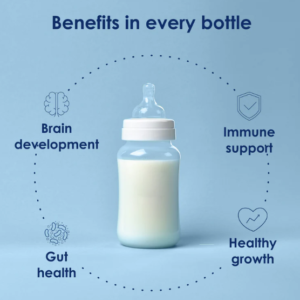
How to Prepare Baby Formula Safely – Formula Milk Banane Ka Safe Tarika
If you are preparing formula milk for your newborn baby, it is very important to take care of hygiene and safety. Wrong preparation can affect your baby’s health and he can also fall ill. Here we are giving a simple step by step guide which will make it easy for you to prepare formula milk for your baby safely.
Step-by-Step Guide to Preparing Formula Milk
-Sterilize the bottle and nipple – First of all, wash the bottle, nipple and baby’s feeding items thoroughly and sterilize them. You can use boiling water or steam sterilizer.
-Washing hands is a must – Before making formula milk, wash your hands thoroughly with soap and water.
-Use the right water – Use filtered or boiled water to make formula milk. Let the water cool down, but it should be at room temperature.
-Make correct measurements – Maintain the ratio of formula powder and water as per the instructions given on the packet.
-Mix the milk well – Shake the bottle gently and mix the milk well, so that no lumps are formed.
Tips for Sterilizing Bottles and Nipples
-Boiling method: Boil the bottle and nipples in water for 5-10 minutes.
-Steam sterilizer: This is a convenient option that helps you sanitize bottles quickly.
-Make sure everything is dry before using.
Water Temperature and Hygiene Practices
-Let the boiled water cool down to 70°C, then mix the formula.
-Never store leftover milk. Make fresh formula for every feeding.
-Wash the bottle immediately after feeding and keep it in the sun to dry.
Conclusion:
Choosing baby formula milk can feel overwhelming, but with the right information, you’ll make the best choice for your little one. Formula milk offers a convenient and nutritious alternative to breast milk, giving parents flexibility while ensuring their baby’s needs are met. Always consult your pediatrician for personalized advice.
Still have questions? Reach out, and we’re happy to help guide you on your parenting journey.