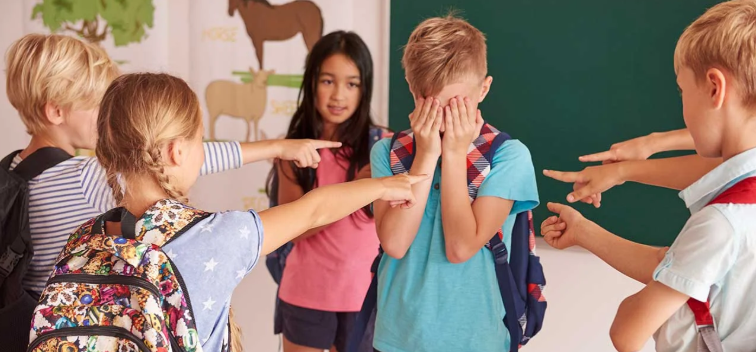
Why Does My Child Struggle With Making Friends? 12 Real Reasons & Practical Solutions for Parents
Why does my child struggle to make friends? If your child is having problems making friends, here are the true reasons, warning signs, and parenting advice to help your child’s social skills and confidence.
Introduction
“Children learn to make friends—they don’t become natural experts.”
Studies have found that 1 in 5 children has social problems during their childhood. If you have ever noticed your child alone at a birthday party, or heard your child say, “I have no friends,—it is a tough experience for you as a parent.
Maybe you are also asking yourself, “Why does my child have problems making friends?” Is it because they are shy? Do they have social anxiety? Do they have ADHD? Maybe there is something more.
The fact is: Skills for making friendships are learned over time. Some kids will pick them up easily. Others may need a little help.
In this guide, we’ll walk you through why children have problems with friendships, what signs of trouble parents should look out for, and how you can help your child feel confident in their social abilities.
Let’s begin.
Is It Normal for Children to Have Difficulty Making Friends?
Yes, it is. Not all children are born “social experts.” Making friends is a skill that children develop over time. While some children adapt quickly, others take a little longer.
The first thing that parents need to understand is that all children develop at different rates socially. If your child is a little shy, doesn’t talk much in a group, or is having difficulty making friends easily, it doesn’t mean there’s anything wrong with the child. It is essential to understand your child’s stage of development and personality type first.
Stages of Development of Social Skills (Toddler, Preschool, School-Age Children)
1. Toddler Stage (1-3 years)
Children at this age are primarily engaged in “parallel play.” This means that they play alongside other children but do not really interact with them. They do not have the instinct to share or take turns.
If your toddler does not share toys or show interest in group play, this is completely normal for their age.
2. Preschool Stage (3-5 years)
This is where a foundation of friendship and knowledge starts. Children start having simple conversations, role-playing games, and making short-term friendships.
However, there are also fights. Conversations like “This is my friend, and you’re not” are common. Emotional regulation is still developing, so fights are to be expected.
3. School Age (6+ years)
Friendships become more complex during this phase. Children start appreciating qualities like loyalty, cooperation, and group membership.
If a child is completely isolated at this age, always rejected, or avoids school, it may be necessary to give them some attention.
Introversion vs. Social Difficulty – What’s the Difference
Just because a child is shy does not mean they are socially impaired. Introversion and social difficulties are two different things.
Introverted child:
-Needs alone time
-Has 1-2 best friends
-Feels exhausted quickly in large groups
-Feels comfortable, but not overly enthusiastic
Child with social difficulties:
-Wants to make friends but can’t
-Feels rejected
-Doesn’t understand social cues
-Often feels lonely or frustrated
The difference is this: An introverted child is comfortable in their own way. A socially struggling child is internally troubled.
Temporary Struggles vs. Persistent Social Challenges
Sometimes social struggles are temporary. Such as:
-School change
-New environment
-Fight with a friend
-Short-term effect of bullying
In these cases, a child may struggle for a few weeks or months. However, if:
Loneliness persists for more than 6 months
-The same issue occurs everywhere
-Teachers express concerns
-The child’s self-esteem is suffering
This could be a persistent issue that needs a little extra help.
Personality Traits and Temperament Factors
Each child has a unique temperament. Some are naturally extroverted, some are introverted.
Examples of common temperaments include:
-Easy-going
-Slow to warm up
-Highly sensitive
-Strong-willed
Children who are highly sensitive or slow to warm up may take a while to warm up to new people. This is not a problem. They simply require a safe and patient environment.
The parents’ role in this is crucial. Pressuring a child to “make friends” can increase anxiety. However, with careful exposure and support, confidence will build on its own.
When Comparison With Peers Creates Unnecessary Worry
The most common mistake parents make is comparison.
“Sharma ji’s son is so social.”
“All the children in his class are in groups.”
Each child has a different growth chart—not only in terms of physical development but also in terms of social development. The result of the comparison is this:
-Parent is unnecessarily worried
-Child is indirectly pressured
The emphasis should be on this:
-Is my child happy?
-Does he or she have at least one healthy relationship?
-Is he or she slowly and steadily improving?
Quality is more important than quantity. One true friend is better than 10 fake friends.
Common Reasons Why Your Child Struggles With Making Friends
Shyness or Social Anxiety
Shyness and social anxiety are two different concepts, but both can impact the ability of a child to make friends. First, shy children tend to be uncomfortable around new people and are reluctant to start a conversation. They are afraid of being judged or left alone.
Second, social anxiety is a serious issue where a child experiences an abnormal amount of fear in social environments. They tend to be quiet or stay away from birthday parties, class discussions, or group projects.
Third, when a child consistently avoids social interactions, they just don’t get a chance to practice. Social skills can be improved with practice, and if that’s limited, it’s only natural that difficulties will escalate.
Low Self-Confidence
Children with low self-confidence tend to believe, “I’m not an interesting person” or “Nobody will want to play with me.” First, low self-confidence is reflected in their non-verbal cues, and other children simply can’t reach out to them.
Second, when a child believes they will be rejected, they cease to take the initiative. They do not go out and join groups on their own and remain in the background.
Third, self-confidence is generally developed through past experiences. If a child has been rejected in the past or is constantly being compared, their confidence levels are likely to be low.
Difficulty Reading Social Cues
Every friendship is based not only on communication but also on understanding. The first problem is that some children are not able to read facial expressions, tone, and body language. They are not able to understand when someone is joking and when they are serious.
Second, when a child is not able to understand social cues, they may end up speaking at the wrong time, interrupting, or invading someone’s personal space. This makes other children uncomfortable.
Third, when a child has difficulty understanding the feelings of others, it takes time to develop empathy. And empathy is a crucial base for friendship.
Speech or Language Delays
Communication is the basis of a friendship. First, if a child has problems saying words or putting them together in a sentence, they may have problems getting their ideas across.
Second, a child with a language delay may have problems understanding what is being said. If other children are talking quickly, they may get confused and shut down from the group.
Third, if a child has problems with communication, they may become withdrawn in a group setting. They may think it is better not to say anything at all than to say something.
ADHD and Impulsivity
Children with ADHD are smart, but they have problems with impulsivity. This impacts their friendships. First, they may say things without thinking, which can be annoying to other children.
Second, they have problems taking turns or following rules.
Third, their high level of energy may at times be intimidating to other children. Without appropriate instruction, conflicts may escalate.
Autism Spectrum Traits
Children with autism spectrum disorders perceive the world in a slightly different way. First, they do not find social interactions natural, making it difficult for them to maintain eye contact or engage in small talk.
Second, they are intensely interested in things. If the conversation is not about their interests, they will not be able to relate.
Third, they value predictability and routine. Group dynamics are unpredictable, making them anxious or confused.
Emotional Regulation Problems
Friendship is more than having fun; it also involves regulating emotions. First, if a child has frequent outbursts of anger or cries over trivial matters, other children will avoid them.
Second, all children need to learn how to cope with losing a game or an argument. Playing with a group of children becomes difficult for those who cannot cope with frustration.
Third, when emotions are so intense, conflicts can easily get out of hand. Learning to regulate emotions is essential to maintaining healthy friendships.
Signs Your Child May Be Experiencing Social Skill Challenges
Prefers Playing Alone Consistently
If your child always prefers to be alone in every situation, it may not be just because they are an introvert; sometimes it may also be a sign of a social skill challenge. First, they are not comfortable with group interaction, so playing alone is the safest option. Second, they may not be comfortable with sharing, taking turns, or engaging in conversations, so they avoid it. Third, if this continues for a long time and they never interact with other children, their parents need to observe them to determine if they have social anxiety or communication problems.
Avoids Group Activities
Some children avoid birthday parties, school events, or team sports. First, they may be overwhelmed by crowds or noise. Second, following rules, waiting, and cooperating with others in a group can be difficult. Third, if a child consistently finds excuses to avoid group activities, it may be a sign that they are afraid of rejection or feel uncertain in social situations.
Easily Frustrated During Play
Playtime should be enjoyable for children, but if they easily get angry over trivial matters or leave a game, it may be a symptom of emotional regulation problems. First, they may have problems with losing or competing with others. Second, they may have problems articulating their feelings, so they express them through their actions. Third, they may have problems controlling their emotions when other children are not following rules or doing what they want, which indicates a lack of flexibility.
Complaints About Not Having Friends
If a child constantly complains, “I don’t have any friends,” the concern should not be dismissed easily. First, it may be a symptom of loneliness and low self-esteem. Second, they may be trying to initiate interactions but are not successful, which will further lower their self-esteem. Third, if the child constantly complains about this, parents should have a talk with them about the problem.
It is often excluded and ignored.
In some cases, the child tries, but the group won’t let them in anyway. First, they might not understand social cues, like when to join in or how to respond. Second, if they tend to be a bit bossy, aggressive, or too shy, other kids will naturally avoid them. Third, being constantly excluded can affect a child’s emotional well-being, leading them to become even more withdrawn.
Has One-Sided Friendships
One-sided friendships mean that either your child or the other child is in control. First, if your child is always the one adjusting and giving up their own preferences, it may be a sign that they lack self-confidence. Second, if they tend to be clingy and rely on just one friend, they need to be exposed to more social interactions. Third, balanced friendships mean mutual respect and give-and-take. If not, parents need to teach them how to set boundaries.
How to Help Your Child Make Friends (Practical Strategies for Parents)
Teach Basic Conversation Starters
The first thing you need to do is teach your child basic conversation starters. Not all children are naturally good at starting a conversation. You can teach them basic phrases such as, “Hi, my name is ___, what’s your name?” or “Can I play with you?” When a child knows their dialogue, their confidence level automatically boosts.
Another key thing to remember is to teach them how to listen actively. It’s not just about talking, but it is also important to listen to the other person. You can teach them to listen to a friend by looking at them when they talk, nodding to show they understand, and asking short questions such as, “So what happened?” This helps keep the conversation going.
Third, give them ideas on what to share. Sometimes, children are confused about what to talk about. You can give them ideas to talk about school, cartoons, games, and hobbies. When children discover common interests, friendships develop on their own.
Practice Role-Playing Social Situations at Home
Role-playing is an effective method that helps children prepare for actual life situations. You can train them to approach a group of children in the playground by role-playing at home and using good manners to say, “Can I join?” This helps them overcome their hesitation.
Another advantage of role-playing is that you can train them to deal with difficult situations. For instance, what to do if a child refuses or ignores them. You can train them to say, “Okay, I’ll play with someone else,” too.
Third, role-playing can also train them to manage emotional responses. When they lose a game or someone refuses to share their toy, learn them to use words instead of getting angry. When a child role-plays at home, they become well-rounded in actual situations.
Encourage Small Group Playdates Instead of Large Gatherings
If a child is shy or has social anxiety, large birthday parties or gatherings can be intimidating. Hence, small group playdates are more helpful. They feel comfortable playing with one or two children.
Secondly, small groups allow children to show their personality. In a smaller crowd, there is less competition and noise. This allows them to speak and participate freely.
Third, in small playdates, parents can guide their children without being too intrusive. You can see how they are interacting and guide them gently when needed. Gradually, this builds confidence in them to play in larger groups.
Teach Emotional Regulation Skills
Emotional regulation is very important for sustaining friendships. If the child is easily angered or cries over small issues, other children may avoid them. Hence, they need to be taught skills such as deep breathing, counting to 10, or taking a break.
Second, they need to be taught to verbalise their emotions. For instance, “I was upset when you pushed me,” instead of hitting back. When children are able to communicate their emotions effectively, there are fewer misunderstandings.
Third, parents should demonstrate calm behaviour. If you display patience in a stressful situation, your child will probably imitate you. Emotional control is a skill that can be developed through daily practice.
Model Healthy Friendships in Your Own Life
Children learn more from what they see, and less from what they hear. If your child sees you treat your friends with respect, help them, and appreciate them, they will probably do the same.
Second, show them that conflicts are a normal part of life, but they can be resolved calmly. If you resolve a conflict with a friend in a peaceful way, your child will understand that a conflict does not necessarily mean the end of a friendship.
Third, from time to time, tell your child about positive experiences you have had with friendships, such as how you made your best friend or how a friend helped you through a tough time. This will give your child an idea of how important healthy friendships are in life.
Help Them Find Activities Related to Their Interests
Every child is unique. Some are interested in sports, while others are interested in drawing, coding, music, or reading. When a child participates in an activity related to their interest, they automatically find people with the same interest as friends.
Secondly, having the same interests makes it easy to talk to each other. If you both like football, you can automatically start talking about the game. This will help you avoid awkward moments and will increase bonding.
Thirdly, activities related to interests also help increase self-confidence. When a child knows they are good at something, they feel comfortable in social gatherings. Confidence is the key to making friends.
When Should Parents Seek Professional Help?
It is normal for children to have some trouble making friends occasionally. However, there are times when parents should take it seriously and seek professional help. Early intervention can help manage the situation before it gets out of hand.
Persistent Loneliness for 6+ Months
If your child has been experiencing persistent loneliness for 6 months or more, it may not be a temporary situation. The first symptom is that the child keeps complaining that they have no friends or that nobody wants to play with them. Second, they begin to avoid social events such as birthday celebrations, school events, or group outings. Third, they begin to notice changes in their behaviour, such as mood swings, irritability, or a loss of self-confidence. In this situation, consulting a counsellor or child psychologist may be a good idea.
Signs of Social Anxiety Disorder
Shyness and social anxiety are not the same. If the child exhibits extreme fear of socialising in the presence of others, it could be a cause for concern first, if the child shows physical signs of anxiety in a new environment, such as sweating, stomachache, or crying. Second, they do not raise their hand in class even when they know the answer because of what others might think. Third, they avoid all contact with other children and exhibit an excessive fear of rejection by others.
Suspected ADHD or Autism
Some children face issues in social interactions due to suspected ADHD or autism traits. The first symptom of ADHD is impulsivity—talking in the middle of the conversation, not following rules, or not waiting for a turn. Second, autism symptoms include issues with understanding social cues, such as the meaning of facial expressions or tone of voice. Third, repetitive behaviours or restricted interests can also impact social interactions. Early intervention and therapy can offer structured assistance to a child that can help in their social development.
Speech and Language Issues
Communication skills are the basis of friendships. If a child is not able to communicate effectively, they will automatically avoid social interactions with other children. First, speech delays can make it difficult for other children to understand them, making them frustrated. Second, poor vocabulary or sentence structure can make it difficult to sustain a conversation. Third, a child may feel embarrassed and avoid social interactions. Communication can be developed with the assistance of a speech therapist or language expert, which can also indirectly increase friendship skills.
Conclusion
If you’re wondering, “Why does my child have trouble making friends?” — you’re already a concerned and informed parent. And that counts for more than you realise.
The truth is, most children don’t have trouble making friends because they lack the skill — they just need practice and encouragement. Making friends is a learned behaviour. Confidence will follow. And so will emotional intelligence.
With the right support, your child can develop lasting friendships that will increase self-esteem, resilience, and happiness.
Begin with small steps. And remember, friendship is a skill, not a personality type.